
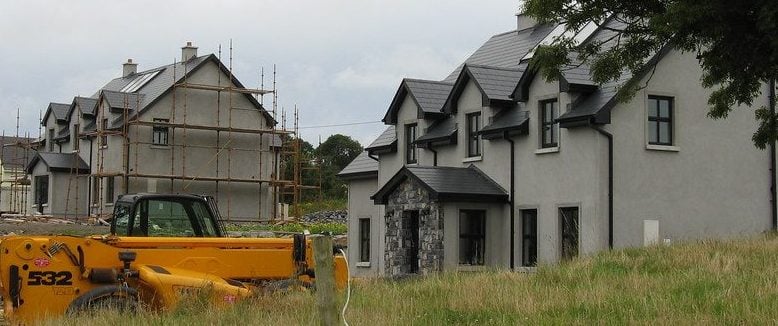
Owning a home in Ireland can be a fulfilling experience, but it comes with hidden costs that many first-time buyers may overlook. Understanding these costs is crucial for making informed decisions, particularly in today’s dynamic housing market.
As the Irish property landscape continues to evolve, awareness of these hidden expenses can help buyers and renters navigate the complexities of homeownership more effectively.
Understanding The Hidden Costs Of Homeownership
Hidden costs refer to expenses that are not immediately apparent when purchasing a home. These can include various maintenance fees, property taxes, and unexpected repairs that can arise over time. For Irish buyers and renters, being aware of these potential costs is essential to avoid financial strain.
The current housing market in Ireland is challenging, with rising prices and increased demand. This makes it even more important to factor in hidden costs when budgeting for a new home.
Maintenance And Renovation Expenses In Dublin
In Dublin, homeowners can expect to spend significantly more on maintenance compared to rural areas. The average cost of home maintenance in Dublin can reach upwards of €2,000 annually, while rural areas may see costs closer to €1,200.
Older homes in Dublin often come with common renovation expenses, such as plumbing updates and electrical rewiring, which can be quite costly. Homeowners should be prepared for these additional financial commitments when purchasing a property.
Key Areas For Renovation
- Kitchen And Bathroom Upgrades: These areas can require significant investment but can increase property value.
- Energy Efficiency Improvements (BER Ratings): Enhancing insulation and heating systems can reduce long-term energy costs.
- Landscaping And Outdoor Spaces: Investing in outdoor aesthetics can improve overall home appeal.
Insurance And Property Taxes: What To Expect
Insurance costs can vary greatly between urban and rural settings in Ireland. Homeowners in urban areas like Dublin may pay higher premiums due to increased risks, while rural homeowners often benefit from lower rates.
Property tax rates also differ significantly across counties. For example, Dublin residents face higher Local Property Tax (LPT) rates compared to those in counties like Cork or Galway.
Breakdown Of Local Property Tax (LPT)
The LPT is calculated based on the market value of a home, which can fluctuate. Recent changes to LPT thresholds have affected many homeowners, particularly in areas like Dublin 2, where property values have surged compared to Dublin 8.
Energy Efficiency Upgrades: Costs And Benefits
Investing in energy efficiency upgrades can incur typical expenses ranging from €1,500 for insulation to €5,000 for new heating systems. However, these investments can lead to significant savings on energy bills in the long run.
New builds generally have lower energy costs compared to older homes, which often require more extensive upgrades to meet modern standards.
Government Grants And Incentives
The SEAI offers grants for energy upgrades, making it easier for homeowners to invest in improvements. Achieving higher BER ratings can not only enhance comfort but also lead to long-term savings on energy bills.
Local Market Snapshot: Costs And Considerations
The current median house prices in Dublin 1 are approximately €400,000, while prices in Dublin 24 can be around €300,000. These differences highlight the importance of location when investing in property.
Average monthly rents in Dublin also vary widely, with desirable areas like Ranelagh seeing higher demand and corresponding rental prices. Understanding these dynamics is crucial for both buyers and investors.
Lifestyle & Amenities: The Real Cost Of Living
When choosing a home, location plays a pivotal role. Factors such as proximity to schools, parks, and transport links can significantly impact living costs and overall quality of life.
Key Amenities In Popular Areas
- Access To Public Transport: Areas well-served by LUAS and DART see higher property values.
- Local Schools And Educational Institutions: Proximity to quality schools is a priority for many families.
- Green Spaces And Recreational Facilities: Access to parks and leisure facilities enhances community appeal.
First-Time Buyers: Navigating Hidden Costs
First-time buyers should be particularly vigilant about hidden costs, which can include everything from stamp duty to unexpected repairs. Planning for these expenses can prevent financial surprises down the line.
Financial Assistance For First-Time Buyers
The Help-to-Buy scheme offers financial assistance to first-time buyers, helping to make the dream of homeownership more attainable. Budgeting for hidden costs is crucial to ensure a smooth transition into homeownership.
Investors And Landlords: Understanding The Financial Landscape
Investors should also be aware of hidden costs associated with rental properties. These can include maintenance costs, property management fees, and legal obligations that can affect overall profitability.
Key Considerations For Investors
- Maintenance And Management Costs: Regular upkeep is essential to maintain property value.
- Legal Obligations And Compliance Costs: Staying compliant with regulations can incur additional expenses.
Thinking of selling or letting? List your property on FindQo.ie to reach buyers and renters across Ireland.
Frequently Asked Questions
What Are The Main Hidden Costs Of Owning A Home In Ireland?
The main hidden costs of owning a home in Ireland include maintenance and repair expenses, property taxes, and insurance premiums. It’s crucial for homeowners to budget for these costs to avoid financial strain.
How Can I Budget For Maintenance And Renovation Costs?
Budgeting for maintenance and renovation costs involves setting aside a percentage of your income or savings specifically for these expenses. It’s advisable to have a contingency fund to cover unexpected repairs.
What Is The Impact Of Property Taxes On Homeownership?
Property taxes can significantly impact homeownership costs. Higher property tax rates can strain budgets, especially in urban areas like Dublin, where property values have increased substantially.
Are Energy Efficiency Upgrades Worth The Investment?
Yes, energy efficiency upgrades are generally worth the investment, as they can lead to substantial savings on energy bills. Additionally, homes with higher BER ratings often have better resale value.
How Do Local Amenities Affect Property Value In Ireland?
Local amenities, such as schools, parks, and transport links, greatly affect property value in Ireland. Homes in areas with excellent amenities tend to retain higher values and attract more buyers.