
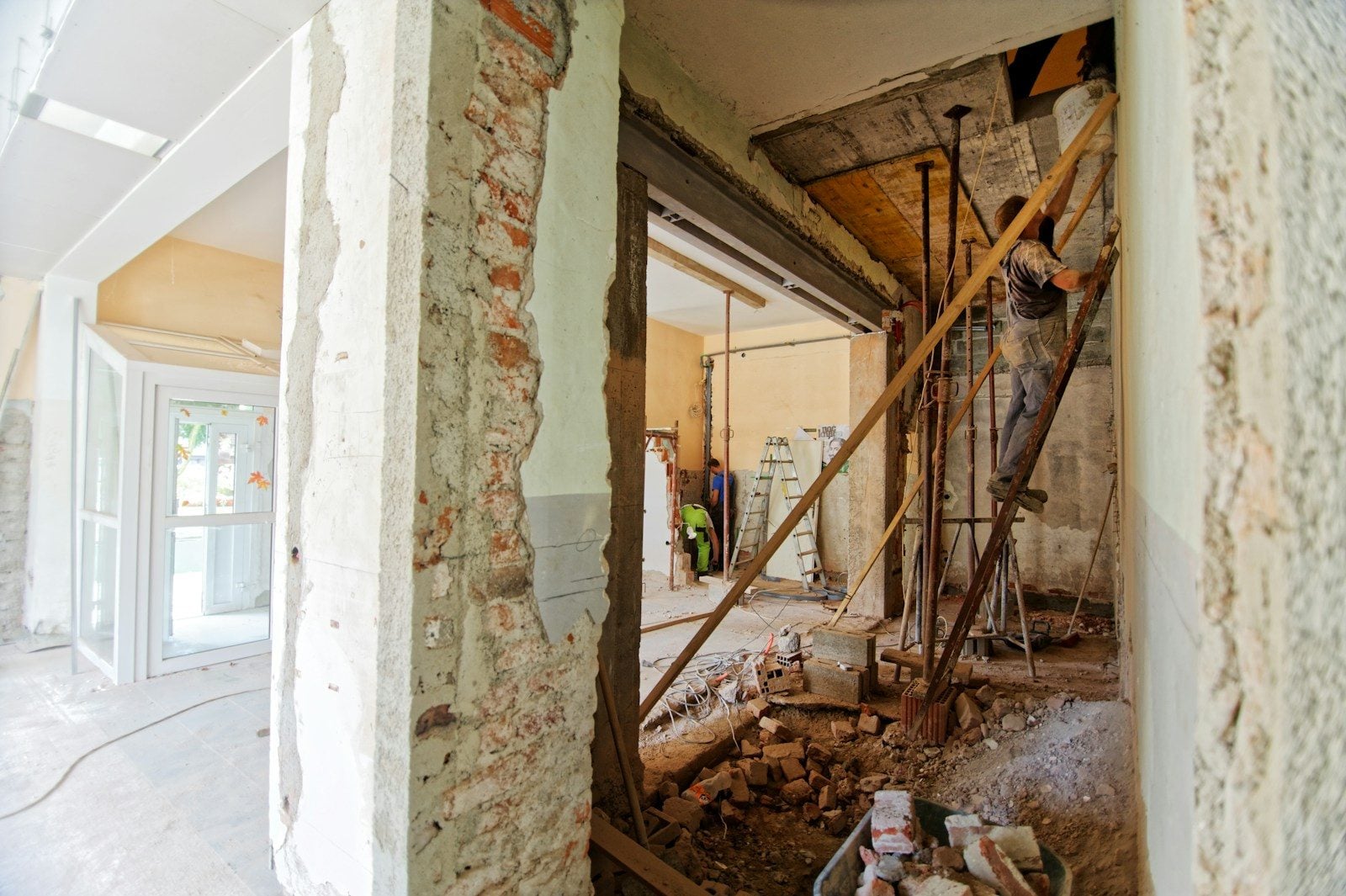
Thinking about giving your Irish home a bit of a facelift, or maybe a full-blown transformation? It’s an exciting prospect, isn’t it? Visions of open-plan living, a gleaming new kitchen, or a cosy extension dancing in your head. But before you get carried away with paint swatches and Pinterest boards, let’s have a frank chat about the one thing that can make or break any renovation project: the cost. It’s not just about the bricks and mortar; there are hidden expenses and local quirks that can really add up.
Understanding the Initial Outlay: What to Budget For
When you first start dreaming, it’s easy to focus on the big-ticket items like new kitchens or bathrooms. But a renovation in Ireland often involves more. Are you thinking of extending? That means foundations, roofing, and potentially moving utility lines. A new kitchen might look grand, but what about the plumbing and electrical work behind the scenes? Always factor in the cost of materials, labour, and any necessary architectural or engineering fees. Getting a few quotes from local tradespeople is always a smart first step.
The Hidden Costs: Don’t Get Caught Out
Ah, the hidden costs – the bane of many a renovator’s existence! These are the bits and bobs that often slip through the cracks of initial budgeting. Think about things like:
- Planning Permissions: Depending on the scale of your project, you might need planning permission from your local council. This isn’t just a fee; it can involve drawings, reports, and time.
- Contingency Fund: This is non-negotiable. Always, always, set aside 10-20% of your total budget for unexpected issues. You never know what you’ll find behind a wall in an older Irish home – damp, dodgy wiring, or even a forgotten leprechaun’s pot of gold (one can dream!).
- Professional Fees: Architects, structural engineers, quantity surveyors – their expertise is invaluable, but it comes at a price.
- Temporary Accommodation: If your renovation is extensive, you might need to move out for a while. Factor in rent or alternative living costs.
- Waste Disposal: Getting rid of old kitchens, bathrooms, and building rubble isn’t free.
Navigating Grants and Schemes: Every Little Helps
Good news for Irish homeowners! There are various grants and schemes available that can significantly offset renovation costs, especially for energy upgrades or vacant properties. The SEAI (Sustainable Energy Authority of Ireland) offers grants for insulation, heat pumps, and solar panels. If you’re looking at a derelict or vacant property, schemes like the Croí Cónaithe (Town Centre First) Vacant Property Refurbishment Grant could be a game-changer. It’s well worth doing your homework on these – a quick search on the government’s housing or environment websites will point you in the right direction. Every euro saved is a euro earned, as they say!
Choosing the Right Professionals: Local Knowledge is Key
When it comes to renovating in Ireland, finding the right team is crucial. A good builder, plumber, electrician, and carpenter who understand local regulations and have a solid reputation can make all the difference. Ask for recommendations, check references, and don’t be afraid to get multiple quotes. A local professional might even know a trick or two about dealing with specific Irish building styles or materials. They’re not just building; they’re often problem-solving on the fly, especially with older properties.
Adding Value: Smart Renovations for the Irish Market
While your renovation is primarily for your own enjoyment, it’s always wise to consider how it might impact your home’s value down the line. In the Irish property market, energy efficiency is a huge selling point. Upgrading your BER (Building Energy Rating) can make your home much more attractive to potential buyers. Think about modernising kitchens and bathrooms, creating open-plan living spaces, and adding an extra bedroom or home office if space allows. These are the kinds of improvements that resonate with buyers, whether they’re looking for a family home in Cork or a city pad in Dublin. You can explore current market trends by checking out properties for sale on FindQo.ie.
Frequently Asked Questions
How much should I budget for a renovation?
It varies hugely depending on the scale. For minor cosmetic changes, a few thousand might suffice. For a full extension or major overhaul, you could be looking at tens or even hundreds of thousands. Always add a 10-20% contingency fund.
Do I need an architect for a small renovation?
Not always. For very minor internal changes, you might not. However, for extensions, structural alterations, or anything impacting planning permission, an architect or structural engineer is highly recommended.
What are the most common renovation pitfalls in Ireland?
Underestimating costs, not getting proper planning permission, and choosing unreliable tradespeople are common issues. Unexpected damp or structural problems in older homes can also be a headache.
How long does a typical renovation take?
Again, it depends on the scope. A small bathroom renovation might take a few weeks, while a large extension could take 6-12 months or even longer. Be prepared for delays, especially with planning or material availability.
Can I do some of the work myself?
For certain tasks like painting, decorating, or gardening, absolutely! However, for plumbing, electrical, or structural work, it’s always best to hire certified professionals to ensure safety and compliance with regulations.
Ready to find your next renovation project, or perhaps a new home that’s already perfect? Head over to FindQo.ie to browse thousands of Irish property listings, whether you’re looking to buy or rent. And for more insights and tips on the Irish property market, don’t forget to check out our blogs!