
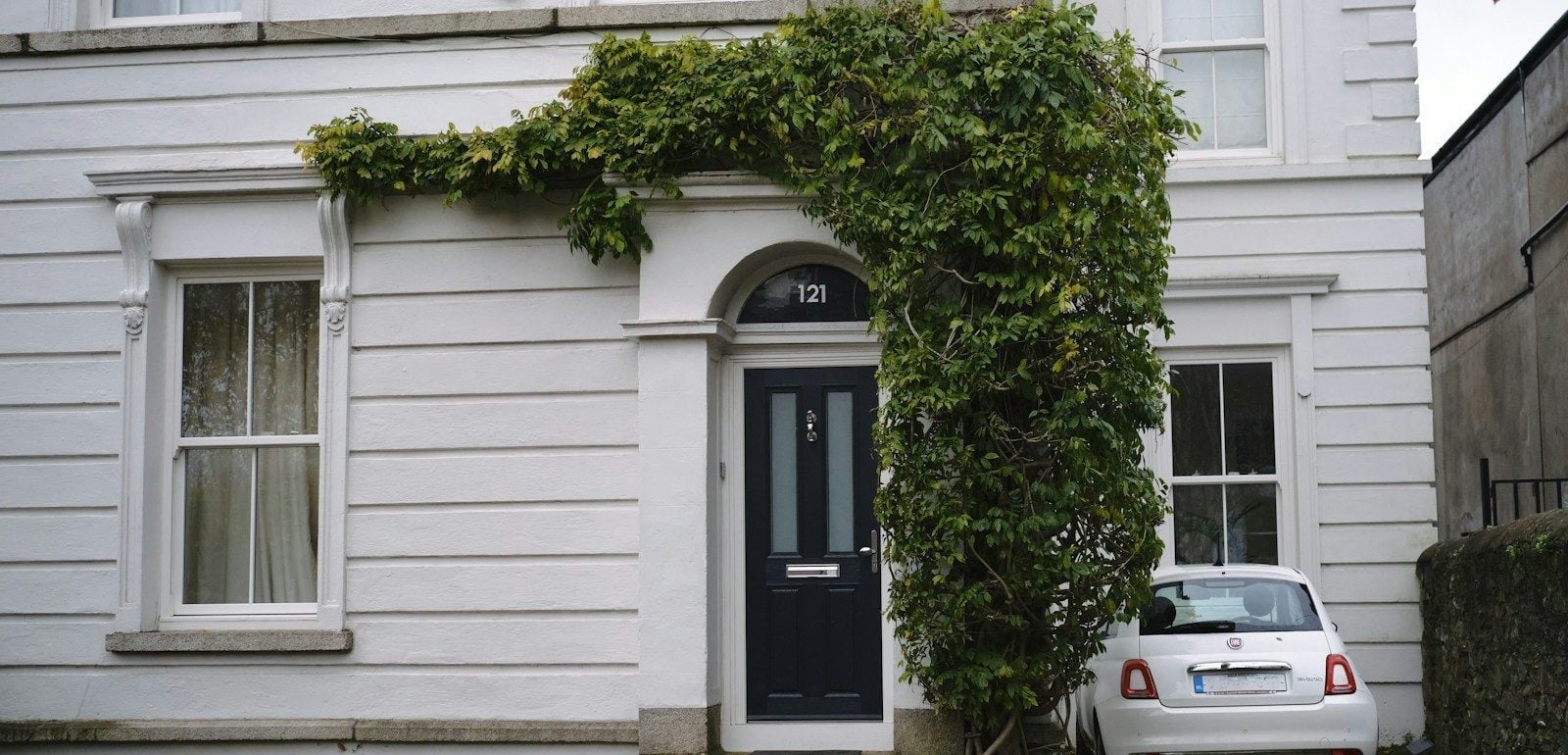
Irish buyers skipping viewings. In recent times, many Irish buyers are skipping viewings entirely, opting instead for digital alternatives. This shift is reshaping how properties are marketed and sold across the country, especially in urban areas like Dublin and Cork. The rise of technology has made it easier for buyers to explore homes without the need for in-person visits.
As the property market evolves, understanding the reasons behind this trend is crucial for both buyers and sellers. The convenience of virtual viewings caters to busy lifestyles, allowing potential buyers to assess properties from the comfort of their own homes.
The Rise Of Virtual Viewings In Ireland
The impact of technology on property viewings cannot be overstated. Virtual viewings have become increasingly popular, allowing buyers to explore homes through online platforms. This trend has been particularly evident in Dublin and Cork, where several agencies now offer immersive virtual tours.
Platforms like Daft.ie and MyHome.ie have integrated virtual viewing options, making it easier for buyers to navigate the market. These digital tools cater to busy lifestyles and remote buyers, providing flexibility that traditional viewings cannot match.
Local Market Snapshot: Dublin Vs Cork
When comparing property prices, Dublin 2 currently averages around €450,000, while Cork City Centre offers more affordable options. The average time-to-sell in Dublin is markedly shorter than in Cork, reflecting the higher demand in the capital.
In terms of rental yields, Dublin’s Docklands offers competitive returns compared to Cork’s city centre. These dynamics are crucial for investors and first-time buyers alike, as they navigate the evolving landscape of Irish real estate.
The Role Of Demand And Competition
Several factors are driving demand in Dublin, including the presence of tech jobs and renowned universities. This influx of professionals and students has intensified competition, often leading buyers to skip viewings to secure properties quickly.
Insights from the Property Price Register (PPR) and RTB rent index reveal how competition influences buyers’ decisions. As properties move quickly, many buyers feel pressured to make decisions without traditional viewings.
Lifestyle Amenities Influencing Viewing Decisions
Proximity to schools and universities significantly influences viewing decisions, particularly in areas like Dublin 1 and Dublin 4. Buyers are increasingly prioritising access to education and public transport when selecting their homes.
In Cork, the availability of green spaces and local cafés also plays a crucial role. Buyers are drawn to urban areas that offer vibrant community hubs, making lifestyle amenities a key factor in property purchasing decisions.
Why First-Time Buyers Are Leading The Trend
First-time buyers in Dublin display distinct characteristics, often favouring modern amenities and digital conveniences. Financial considerations, such as Help to Buy schemes, also drive their decisions.
With the rise of remote work, first-time buyers are increasingly flexible in their property choices, often opting for homes that suit their lifestyle rather than being bound by traditional viewing practices.
Key Statistics Impacting Viewings
- Dublin 2 average property price: €450,000
- Cork City average monthly rent: €1,500
- Typical BER ratings in Dublin: A2 to B3
- Stamp duty thresholds for first-time buyers: €500,000 limit
Frequently Asked Questions
Why are Irish buyers skipping property viewings?
Many Irish buyers are skipping property viewings due to the convenience of virtual tours. This trend allows them to assess properties without the need for in-person visits, which can be time-consuming. With busy lifestyles and remote work becoming more common, virtual viewings provide a practical alternative.
What technology is being used for virtual viewings in Ireland?
In Ireland, various platforms like Daft.ie and MyHome.ie offer virtual viewing technology. These tools enable potential buyers to explore properties through immersive 3D tours or video walkthroughs, allowing them to experience homes remotely. This technology has transformed the property viewing process.
How does the Dublin property market compare to Cork’s?
The Dublin property market is generally more expensive than Cork’s, with average property prices in Dublin 2 around €450,000. In contrast, Cork City Centre offers more affordable options. The time-to-sell is also shorter in Dublin, reflecting higher demand and competition among buyers.
What are the average rental yields in urban areas of Ireland?
Rental yields vary significantly between Dublin and Cork. In Dublin’s Docklands, yields tend to be higher due to demand from professionals. Meanwhile, Cork City Centre offers competitive rental yields, attracting investors looking for opportunities in a growing market.
What role do lifestyle amenities play in property purchasing decisions?
Lifestyle amenities significantly influence property purchasing decisions in Ireland. Proximity to schools, universities, public transport, and local cafés are top priorities for buyers. These factors enhance the appeal of urban areas, making them desirable for families and young professionals alike.