
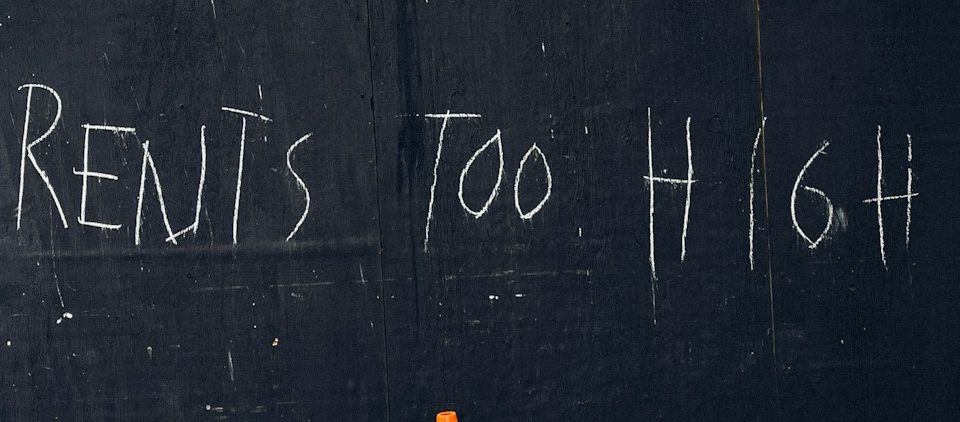
Ireland’s rental market has tightened dramatically since 2021, leaving renters under sustained pressure. Demand has continued to rise while supply has steadily fallen, creating one of the most competitive rental environments in the State’s history. By early 2025, fewer than 2,300 homes were available to rent nationwide, highlighting the scale of the shortage and the daily challenges faced by tenants.
This imbalance has pushed rents higher across Ireland’s major cities and reduced choice for renters, particularly in urban areas where employment, education, and transport links drive demand.
The Rental Market Since 2021: Demand Outpacing Supply
Since 2021, population growth, increased household formation, and limited new rental construction have intensified pressure on the market. At the same time, regulatory changes and rising costs have contributed to landlords exiting the sector, further shrinking supply.
With fewer properties available, renters are facing higher rents, shorter viewing windows, and increased competition, often having to commit quickly or compromise on location, size, or quality.
Dublin’s Rental Market: Pressure Across Districts
Dublin remains the most pressured rental market in the country. Central areas such as Dublin 2 command the highest rents due to proximity to employment hubs and amenities. Dublin 8, while marginally more affordable, has also seen strong rent growth as tenants seek alternatives close to the city centre.
Within Dublin, smaller micro-markets highlight how limited supply shapes outcomes. Areas like Smithfield attract younger renters due to transport access and lifestyle appeal, while Rathmines remains popular with long-term renters and families. Properties close to LUAS lines and DART stations consistently attract higher rents and faster letting times.
Cork and Galway: Rising Rents Beyond the Capital
Rental pressure is no longer confined to Dublin. In Cork City, average monthly rents have reached approximately €1,600, driven by employment growth in sectors such as pharma and technology. Galway follows closely, with average rents around €1,500, influenced by a strong student population and limited housing stock.
In both cities, time-to-let has shortened significantly, with well-located properties often secured within weeks. This has reduced negotiating power for renters and increased uncertainty, particularly for those on fixed budgets.
Lifestyle, Location, and Rental Decisions
Despite affordability concerns, renters continue to prioritise access to transport, schools, healthcare, and local amenities. Areas near universities, hospitals, parks, and established community facilities remain in high demand. Cultural and social infrastructure, including cafés, sports clubs, and green spaces, also plays a growing role in rental decisions as tenants seek stability and quality of life.
Students and First-Time Renters Under Pressure
Students and first-time renters have been among the most affected groups since 2021. Rising enrolment numbers have increased competition for shared accommodation in cities like Dublin and Galway, particularly near universities. Seasonal demand spikes at the start of academic terms further reduce availability and push rents higher.
What This Means Going Forward
Ireland’s rental market remains constrained, with renters facing ongoing uncertainty unless supply increases meaningfully. While demand shows no signs of easing, limited construction, regulatory complexity, and cost pressures continue to restrict new rental stock.
For renters, understanding local market conditions and acting quickly has become essential. For landlords and investors, demand remains strong, but regulatory and operational considerations now play a larger role in decision-making.
Thinking of selling or letting? List your property on FindQo.ie to reach buyers and renters across Ireland.
Frequently Asked Questions
What are the current average rents in Dublin?
The current average rents in Dublin vary significantly depending on the area. As of early 2025, average rents in more central locations can reach upwards of €2,500, while areas slightly further out offer more competitive pricing. It is advisable to regularly check listings to find the most accurate figures.
How has the rental market changed since 2021?
Since 2021, the rental market in Ireland has seen a dramatic shift towards higher demand and lower availability. With only about 2,300 homes listed in early 2025, many prospective renters find themselves in a competitive environment, leading to increased rental prices across the board.
What factors should renters consider when choosing a location?
Renters should consider factors such as proximity to work or university, local amenities, transport links, and the overall community vibe. Areas with good schools, parks, and services often provide a better living experience, making them more desirable.
Are there specific areas in Ireland that are better for rental investments?
Yes, areas like Dublin, Cork, and Galway are currently seen as strong rental investment opportunities. Each city has unique characteristics that attract tenants, making them ideal for landlords looking to capitalize on rental demand. For detailed listings, visit FindQo.ie.
What role do local amenities play in rental prices?
Local amenities significantly influence rental prices. Properties near schools, parks, and transport links tend to command higher rents due to their desirability. Additionally, areas with vibrant community features, such as cafés and recreational facilities, are often more sought after by renters.