
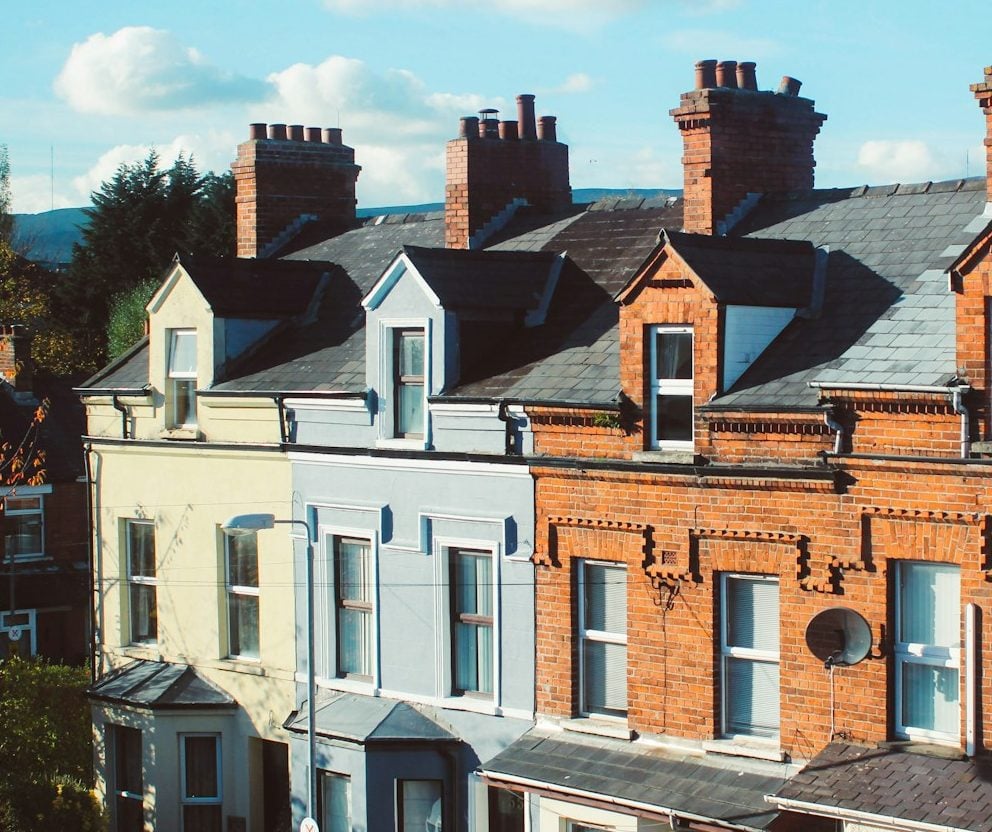
Uncertainty has become a defining feature of Ireland’s property market. Buyers, renters, and investors are navigating a landscape shaped by higher interest rates, persistent inflation, and ongoing housing shortages. These pressures have made decision-making more complex, particularly in urban areas where demand continues to exceed supply.
Understanding how this uncertainty plays out across different regions and market segments is essential for anyone engaging with Irish property today.
What’s Driving Uncertainty in Ireland’s Property Market
The current instability is being driven by a combination of economic and structural factors. Rising interest rates have increased mortgage repayments, reducing borrowing capacity for many households. Inflation has added further pressure by increasing construction costs and household expenses, limiting both new supply and buyer affordability.
At the same time, housing supply remains constrained. New-build completions continue to fall short of population growth, particularly in major cities. This imbalance has created a market where prices and rents remain elevated despite affordability pressures.
Dublin: High Demand, Limited Certainty
Dublin continues to illustrate how uncertainty has become embedded in the market. Demand remains strong, but available stock is limited across both sales and rental segments.
Central locations such as Dublin 2 command higher prices due to proximity to employment hubs and transport links. Dublin 8, while more affordable by comparison, has also seen sustained demand as buyers and renters look for better value within the city.
Transport infrastructure plays a critical role. Areas close to LUAS and DART lines continue to outperform, reinforcing price resilience even as affordability tightens.
Rental Market Pressures in the Capital
Rental conditions in Dublin remain highly competitive. Stock levels are low, and demand continues to outpace supply.
Average monthly rents in central Dublin exceed €2,400, with slightly lower but still elevated levels in inner-city districts such as Dublin 8. According to RTB data, turnover remains fast, leaving renters with limited choice and little negotiating power.
For tenants, this uncertainty means acting quickly, budgeting conservatively, and often compromising on location or property type.
Regional Markets: Cork and Galway
Outside Dublin, uncertainty is also present, though it manifests differently.
In Galway, a strong student population and limited rental stock keep pressure on prices, particularly during the academic year. Median property prices in the city remain around €320,000, with rents averaging close to €1,800.
Cork’s market is influenced by employment growth in sectors such as pharma and technology. While new developments are emerging, demand continues to absorb supply quickly. Average time to sell in Cork is around two months, reflecting steady buyer activity despite higher borrowing costs.
First-Time Buyers in an Uncertain Environment
First-time buyers are among those most affected by market volatility. Higher interest rates have reduced purchasing power, while competition for well-priced homes remains strong.
Government supports such as the Help to Buy scheme continue to play a role in improving access to homeownership, particularly for new-build properties. However, buyers must also factor in stamp duty, Local Property Tax, and long-term energy costs, which vary depending on BER ratings.
Mortgage approval in principle has become a critical step, offering clarity and credibility in a fast-moving market.
Investors Adapting to the New Normal
For investors, uncertainty has shifted focus rather than eliminated opportunity. Rental demand remains strong across Ireland, supporting stable yields in many urban areas.
Dublin yields average around 6%, while regional cities such as Limerick continue to attract attention due to lower entry prices and growing tenant demand. Energy efficiency, tenant profile, and proximity to amenities are increasingly central to investment decisions.
Long-term performance is now closely tied to location quality rather than short-term price movements.
Lifestyle, Amenities, and Market Stability
Despite economic pressures, lifestyle factors continue to influence property demand. Access to schools, public transport, green spaces, and employment centres supports long-term value, even during periods of uncertainty.
Areas with strong community infrastructure tend to experience more stable demand, reinforcing the importance of location fundamentals in an unpredictable market.
Market Snapshot: Key Irish Property Indicators
- Median house price in Dublin: approx. €500,000
- Median house price in Cork: approx. €350,000
- Median house price in Galway: approx. €320,000
- Average monthly rent in Dublin: €2,400
- Average time to sell in Dublin: ~45 days
- Average time to sell outside Dublin: ~60 days
Short-term volatility is expected to continue, with price stability closely linked to interest rate movements and housing delivery levels.
Conclusion
Uncertainty is no longer a temporary phase in Ireland’s property market—it is the operating environment. Buyers, renters, and investors must adapt by staying informed, planning conservatively, and focusing on long-term fundamentals rather than short-term shifts.
For those navigating this changing landscape, platforms like FindQo.ie help bring clarity by connecting people with accurate listings and market insights across Ireland.
Thinking of selling or letting? List your property on FindQo.ie to reach buyers and renters nationwide.
Frequently Asked Questions
What factors contribute to uncertainty in the Irish property market?
Several factors contribute to the uncertainty in the Irish property market, including rising interest rates, inflation, and local supply and demand dynamics. The Dublin housing crisis exacerbates these challenges, leaving many buyers and renters in a precarious position. Understanding these elements is crucial for making informed decisions.
How can first-time buyers navigate the current property landscape?
First-time buyers should consider government schemes like the Help to Buy initiative, which can ease financial burdens. Additionally, being aware of costs such as stamp duty and Local Property Tax is essential. Engaging with local estate agents can also provide insights into available properties and market trends.
What are the current rental trends in Dublin compared to other cities?
In Dublin, average rental prices are around €2,400, while cities like Cork and Galway offer lower averages of €1,600 and €1,800 respectively. The demand for rentals remains high in Dublin due to limited supply, making it a competitive market for tenants.
How do local amenities influence property values in Ireland?
Local amenities, such as schools, parks, and transport links, significantly influence property values. Areas with high-quality schools and access to public transport often see increased demand, which can lead to higher property prices and rental rates.
What should investors consider when buying property during uncertain times?
Investors should focus on properties in regeneration zones, as these areas are likely to see growth in demand and property values. Understanding tenant demographics and local market trends is also crucial for making informed investment decisions in uncertain times.