
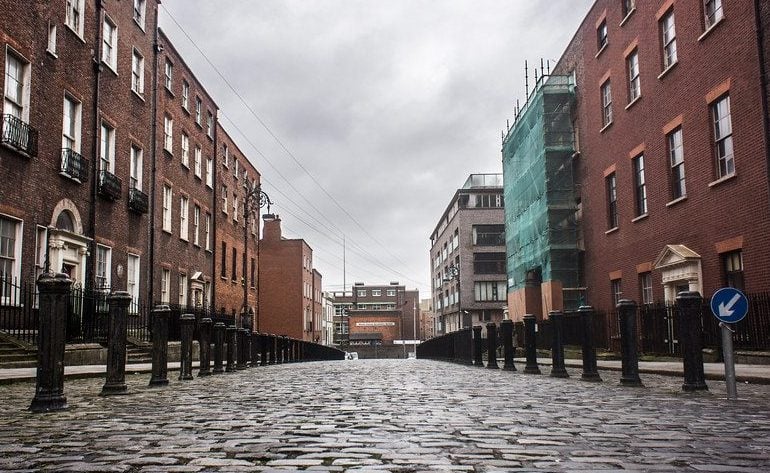
irish expats property purchase. Buying property in Ireland as an expat can be an exciting yet complex journey. Understanding the nuances of the Irish property market is crucial for making informed decisions. This guide will cover everything from market dynamics to financial planning and legal requirements, tailored specifically for Irish expats looking to return home.
As the Irish property landscape evolves, expats must navigate unique challenges and opportunities that differ from their experiences abroad. With the right knowledge and resources, purchasing property in Ireland can become a straightforward process.
Understanding The Irish Property Market For Expats
The Irish property market in 2023 presents a mix of opportunities and challenges for expats. With rising demand and limited supply, understanding market dynamics is pivotal. Key statistics from the Property Price Register (PPR) show that average property prices have increased, reflecting a competitive landscape.
Expats may find that the Irish market operates differently than in other countries, with local factors such as economic growth and urban regeneration driving demand. Familiarity with these dynamics can aid expats in making strategic decisions.
Financial Planning For Buying Property From Abroad
When considering an Irish property purchase, expats must account for various financial factors. Currency considerations are paramount, as fluctuations between the Euro and other currencies can significantly impact the overall cost. Budgeting for additional purchase costs, including stamp duty and legal fees, is essential for a realistic financial plan.
- Average property prices in Dublin 4: €650,000
- Stamp duty rates: 1% up to €1 million, 2% thereafter
- Typical legal fees: €1,500 to €3,000 depending on the property
- Estimated monthly mortgage repayments for a €300,000 home
Expats should also be wary of potential financial pitfalls, such as hidden fees and exchange rate fluctuations, to avoid unexpected expenses during the buying process.
Mortgage Eligibility Rules For Irish Expats
Mortgage options for Irish expats have become more accessible, with various lenders offering tailored products. However, expats must meet specific criteria for mortgage approval, including income verification and credit history checks. Understanding these requirements is crucial to securing financing.
Several lenders specifically cater to expats, offering competitive rates and flexible terms. It’s worth exploring these options to find the best fit for your financial situation.
- Typical deposit requirement: 20% for residential properties
- Average interest rates for expat mortgages: 3.5% to 4.5%
- Maximum loan-to-value ratios: 80% for first-time buyers
Legal Requirements For Purchasing Property In Ireland
The legal process for buying property in Ireland involves several steps, from making an offer to closing the deal. It’s crucial for expats to hire a solicitor who is experienced in handling expat transactions to navigate the complexities of the Irish legal system.
Understanding The Role Of The Property Registration Authority
The Property Registration Authority plays a vital role in ensuring clear title and avoiding disputes. Expats should be proactive in verifying title deeds and property registration to mitigate potential legal issues.
Navigating Tax Obligations For Overseas Buyers
Expats must also understand their tax obligations, including Local Property Tax (LPT) implications, which can vary based on the property’s location and value. Familiarity with these obligations ensures compliance and avoids future complications.
Local Market Snapshot: Dublin 8 And Cork City
Dublin 8 has seen notable pricing trends, with average rents for a 2-bedroom apartment reaching €2,200/month. The area boasts cultural hubs and is well-connected to public transport, making it an attractive option for expats.
Cork City presents a different landscape, with a balance between rental and purchase markets. The average time to sell a property in Cork City is approximately 5 months, indicating a healthy market. Yield opportunities for rental properties in both areas are estimated to be between 6% to 8%.
- Average rent for a 2-bedroom apartment in Dublin 8: €2,200/month
- Average time to sell a property in Cork City: 5 months
- Typical yield for rental properties in both areas: 6% to 8%
Lifestyle & Amenities That Attract Expats
Dublin 8 is known for its proximity to green spaces like The Phoenix Park and various cultural hubs, enhancing the lifestyle appeal for expats. Additionally, Cork City benefits from a strong university presence, influencing housing demand positively.
Key amenities such as schools, healthcare facilities, and transport links further enhance the attractiveness of these areas. Expats should consider the lifestyle factors that matter most to them when choosing a location.
Local Schools And Education Options
Families will find a range of primary and secondary schools with excellent reputations in both Dublin 8 and Cork City. Researching local education options can be a deciding factor for expats with children.
Green Spaces And Recreational Activities
Access to parks and recreational activities is vital for many expats. Both Dublin 8 and Cork City offer abundant green spaces, contributing to a desirable living environment.
Unique Opportunities For Expats In Ireland
Emerging areas in Ireland present unique growth potential, especially in regeneration zones where new developments are underway. Improved transport links, such as Luas extensions, also enhance accessibility and attract buyer interest.
Furthermore, the impact of tourism on property values in coastal regions cannot be overlooked, as these areas continue to grow in popularity among both locals and expats alike.
Frequently Asked Questions
What Are The Main Challenges Irish Expats Face When Buying Property?
Irish expats often face challenges such as navigating the legal process and understanding local market dynamics. Additionally, securing financing can be complicated due to differing mortgage requirements compared to other countries. Staying informed about these factors can help mitigate potential issues.
How Can I Finance A Property Purchase In Ireland As An Expat?
Financing a property purchase as an expat typically involves exploring mortgage options specifically designed for overseas buyers. Many lenders in Ireland offer tailored products that consider expats’ unique financial situations, making it easier to secure funding for your new home.
What Legal Documents Do I Need To Purchase Property In Ireland?
To purchase property in Ireland, expats will need several legal documents, including proof of identity, income verification, and details related to the property itself. Engaging a solicitor familiar with expat transactions can streamline this process and ensure compliance with local laws.
Are There Any Tax Implications For Irish Expats Buying Property?
Yes, there are tax implications for Irish expats purchasing property, including Local Property Tax (LPT) and potential capital gains tax. Understanding these obligations is crucial to avoid any legal complications down the line.
What Areas In Ireland Are Most Popular With Expats?
Areas like Dublin 8 and Cork City are particularly popular with expats due to their vibrant communities, cultural amenities, and access to schools and transport links. These factors contribute to their appeal and can influence property values significantly.
Concluding Thoughts
In conclusion, Irish expats have numerous opportunities and considerations when buying property in Ireland. By understanding the market dynamics, financial planning, and legal requirements, expats can make informed decisions. Utilizing resources like FindQo.ie can streamline the property search process and connect expats with suitable listings tailored to their needs.