
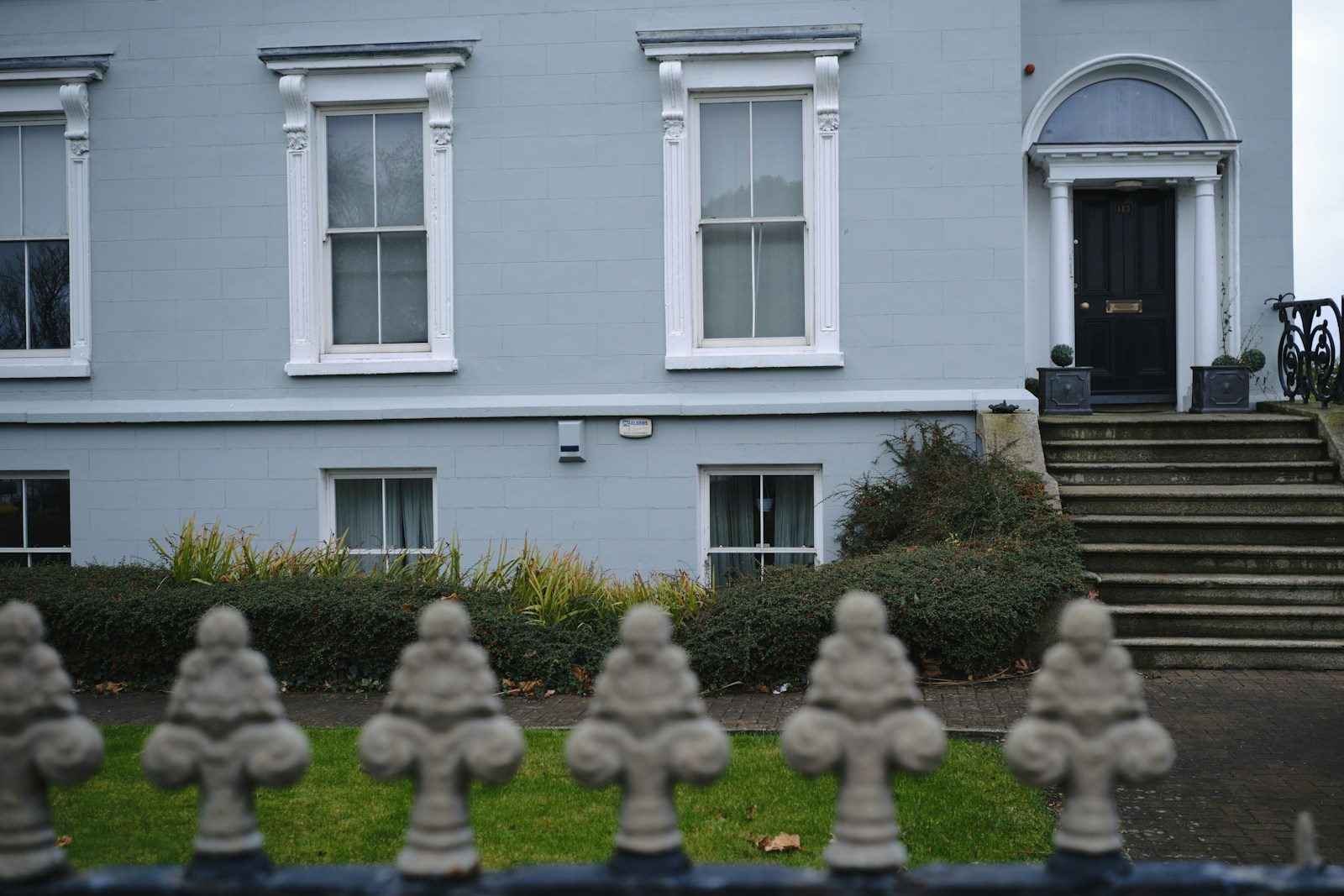
The ongoing housing crisis in Ireland is a pressing issue, significantly influenced by the existing infrastructure gap. This gap affects property availability and demand, particularly in urban centres such as Dublin. As urbanization continues, understanding the relationship between infrastructure and housing is crucial for potential buyers, renters, and investors alike.
Infrastructure plays a vital role in shaping the housing market. It not only affects property demand but also impacts the supply of homes available to meet that demand. Various regions, especially urban areas like Dublin, are feeling the pressure of these infrastructure gaps, which are exacerbating the housing crisis.
The State Of Ireland’s Infrastructure And Housing Market
Currently, Ireland is facing a significant housing crisis, with Irish property prices. The lack of adequate infrastructure, such as transport and amenities, is a major contributor to this situation. Areas with limited access to public transport often see a decline in property desirability, leading to increased demand in well-connected regions.
Infrastructure gaps are particularly pronounced in urban regions, where the demand for housing is highest. For example, Dublin’s rapid growth has not been matched by an expansion of its transport network, leading to longer commute times and increased pressure on housing supply.
Transport And Commuting Challenges In Urban Areas
Dublin’s transport infrastructure, including the DART, LUAS, and bus services, is under significant strain. Many residents rely on these services for daily commuting, yet delays and overcrowding are common. For instance, commuting times from suburbs like Lucan to Dublin city centre can take over an hour, making these areas less appealing for potential buyers.
Impact Of The M50 Motorway
The M50 motorway plays a crucial role in property demand along its corridors. Areas with easy access to the motorway tend to attract more buyers due to reduced travel times. This increased demand often drives property prices up, creating a disparity between well-connected suburbs and those further away from major transport routes.
Local Market Snapshot: Dublin Vs. Cork
In comparing property prices and rental rates, Dublin 8 consistently shows higher figures than Cork City Centre. Recent data indicates that the average property price in Dublin 8 is approximately €500,000, while in Cork, it hovers around €350,000. This stark difference highlights the impact of infrastructure on property values.
Time-to-sell statistics illustrate that properties in areas with strong transport links, such as Dublin 8, sell faster than those without. For landlords, typical yields in Dublin can reach up to 8%, compared to Cork’s 6%, emphasizing the influence of infrastructure on investment decisions.
Lifestyle And Amenities Shaping Property Demand
Local schools significantly impact family housing demand, especially in desirable areas like Rathmines. Parents often prioritize access to quality education when choosing a home, making proximity to reputable schools a key factor in property desirability.
Moreover, the availability of green spaces and recreational facilities in urban developments adds to the appeal of certain areas. Residents are increasingly seeking homes that provide a balance of urban living and access to nature, further influencing housing demand.
The Impact Of Infrastructure On First-Time Buyers And Renters
First-time buyers face unique challenges in areas with limited transport options. High property prices and long commute times can deter potential buyers, making it essential for them to consider locations with better infrastructure.
New developments near transport hubs are particularly appealing to younger renters, who often prioritize convenience and accessibility. Local initiatives, such as Help to Buy scheme Ireland
, aim to support first-time buyers in regions like Fingal and South Dublin, helping to bridge the gap created by inadequate infrastructure.
Investors And Landlords: Opportunities In An Evolving Market
- Average monthly rent in Dublin 2 is approximately €2,200, while in Dublin 12 it is around €1,800.
- Typical BER ratings for new builds are A3, compared to older properties averaging C2.
- Stamp duty thresholds and Local Property Tax implications are critical for investors to consider.
- Insights from the RTB rent index show a steady increase in rental prices, influencing investment strategies.
Infrastructure Projects On The Horizon: What To Expect
Several upcoming transport projects in Dublin aim to improve connectivity and potentially elevate property values. The planned MetroLink and the extension of the LUAS are expected to enhance accessibility across the city.
In Cork and Galway, regeneration zones are transforming local landscapes, attracting new businesses and residents. Government initiatives focused on improving infrastructure are anticipated to yield positive outcomes for the housing market.
Conclusion: Bridging The Infrastructure Gap For A Sustainable Housing Market
In summary, the infrastructure gap in Ireland significantly impacts housing demand and availability. Closing this gap is essential for creating a sustainable housing market that meets the needs of buyers and renters. As the market evolves, it is crucial for potential buyers to consider infrastructure when searching for properties.
Frequently Asked Questions
What Is The Current State Of Housing Availability In Dublin Due To Infrastructure Gaps?
The housing availability in Dublin is severely impacted by infrastructure gaps. Many areas lack adequate transport links, making them less desirable for potential buyers. This situation has resulted in increased property prices in well-connected regions, while other areas struggle with stagnant demand.
How Do Transport Links Affect Property Prices In Irish Cities?
Transport links are crucial in determining property prices in Irish cities. Areas with easy access to public transport tend to experience higher property values due to increased demand. Buyers are willing to pay a premium for homes near efficient transport options that reduce commuting times.
What Role Do Local Schools Play In Influencing Property Demand?
Local schools significantly influence property demand, particularly among families. Proximity to reputable schools can enhance a property’s desirability, leading to higher prices in areas known for their educational institutions. Buyers often prioritize homes within the catchment area of sought-after schools.
Are There Any Upcoming Infrastructure Projects That Could Impact The Property Market?
Yes, several infrastructure projects are on the horizon that could impact the property market. Upcoming transport upgrades in Dublin, including the MetroLink, are expected to improve connectivity and potentially boost property values in associated areas.
How Can First-Time Buyers Navigate The Challenges Posed By Infrastructure Gaps?
First-time buyers can navigate challenges posed by infrastructure gaps by focusing on areas with better transport links and local amenities. Engaging with local initiatives, such as Help to Buy scheme, can also provide financial support and make it easier to enter the property market. For more options, explore listings on FindQo.ie.