
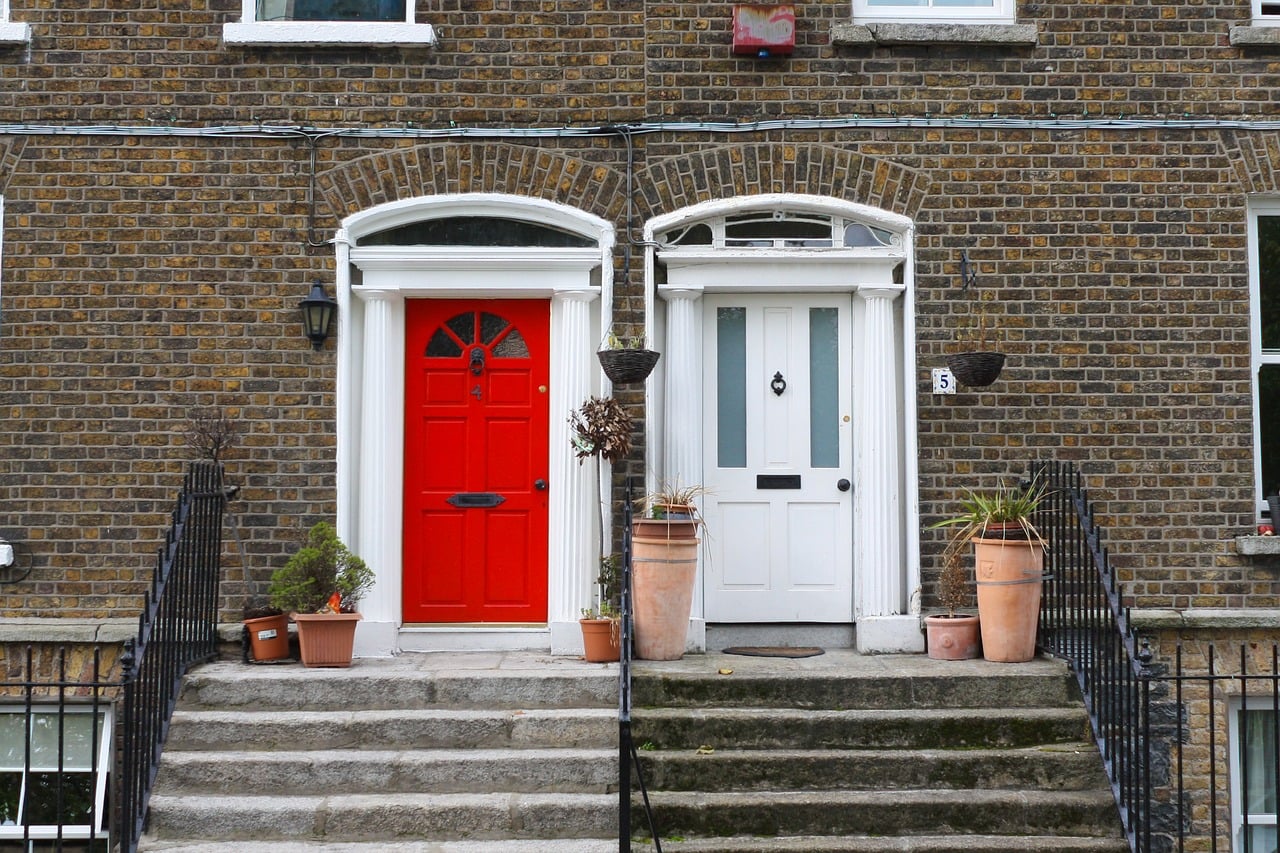
Ireland’s housing market continues to evolve under the pressure of growing demand, changing lifestyles, and long-standing supply challenges. As we look ahead to 2026, the market is unlikely to experience dramatic swings, but it will remain competitive and complex. For anyone planning to buy, sell, rent, or invest, understanding the forces shaping the year ahead will be essential.
A Market Defined by Imbalance
One of the defining characteristics of Ireland’s housing sector going into 2026 is the ongoing mismatch between supply and demand. Population growth, urbanisation, and changing household sizes continue to drive the need for more homes, while construction output struggles to keep pace.
Even with steady building activity, the number of new homes entering the market is expected to remain below what is required to ease pressure meaningfully. This imbalance keeps competition strong and prevents any sudden correction in prices.
Price Growth: Slower, but Still Upward
Rather than sharp price increases, 2026 is expected to bring more measured growth. Buyers may see slightly less aggressive bidding than in previous years, but prices are still likely to trend upward due to limited choice and strong underlying demand.
This slower pace may offer some breathing room for buyers, particularly first-time purchasers who have been priced out in recent years. However, affordability will remain a challenge in many areas, especially in major cities and commuter belts.
Location and Condition Matter More Than Ever
Not all properties perform the same in a tight market. Homes that are energy-efficient, well-maintained, and close to transport links, schools, and employment hubs will continue to attract strong interest.
Meanwhile, properties that require significant upgrades may struggle unless they are priced realistically. Buyers are increasingly factoring renovation costs, energy ratings, and long-term running expenses into their decisions.
Regional Growth Beyond Dublin
While Dublin remains the most expensive market, growth outside the capital is becoming increasingly important. Regional cities and large towns are benefiting from improved infrastructure, remote working trends, and local investment.
For buyers willing to look beyond traditional hotspots, these areas may offer better value while still providing strong long-term prospects.
The Rental Market Remains Under Pressure
Renters are unlikely to see major relief in 2026. Demand for rental properties continues to exceed supply, keeping vacancy rates low. While rent increases may slow, availability is expected to remain limited, particularly in urban centres.
For tenants, preparation and access to accurate market information will be crucial when searching for accommodation.
How findqo.ie Supports Smarter Property Decisions
In a market where timing and pricing are critical, findqo.ie offers a practical advantage.
findqo.ie helps by:
- Providing clear insights into estimated property values
- Allowing users to compare prices across different locations
- Supporting better-informed decisions for buyers, sellers, and renters
By making housing data easier to understand, findqo.ie empowers people to move confidently — whether they’re making their first purchase, negotiating a sale, or planning their next step.
Frequently Asked Questions
Will house prices fall in Ireland in 2026?
Large price drops are unlikely. While growth may slow, demand remains strong enough to support continued price stability or modest increases.
Is 2026 a good year to buy a home?
For buyers who are financially prepared, 2026 can be a good opportunity — particularly if price growth stabilises. Research and local market knowledge will be key.
Are regional areas worth considering?
Yes. Many regional towns and cities offer better value than Dublin while still benefiting from strong demand and improved infrastructure.
What will happen to rents in 2026?
Rents are expected to remain high due to limited supply, though increases may be less dramatic than in previous years.
How can I avoid overpaying in a competitive market?
Using reliable valuation tools, comparing similar properties, and understanding local trends — such as through findqo.ie — can help you make more informed offers.