
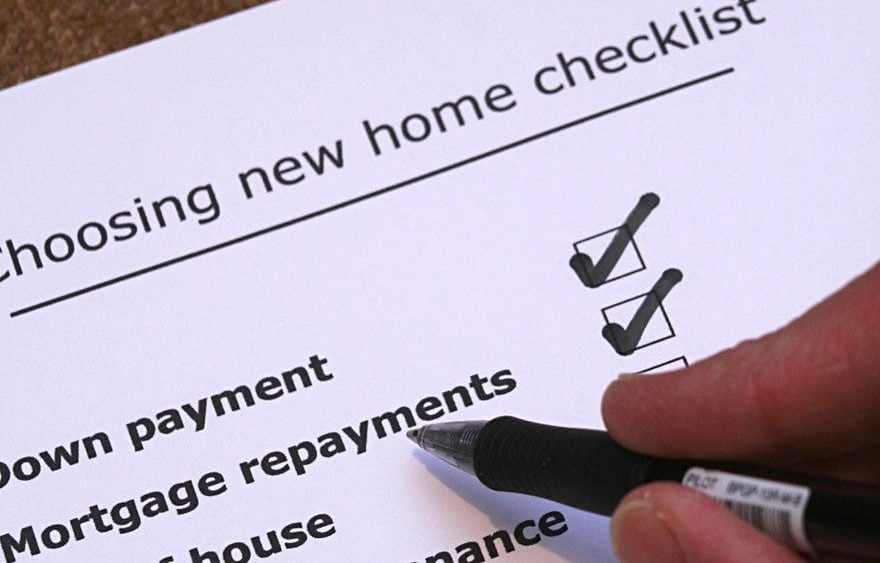
Buying a home in Ireland can be a complex journey, filled with numerous steps and considerations. Understanding the process is crucial for both first-time buyers and seasoned homeowners alike. From securing mortgage approval to navigating the legal intricacies, being informed can significantly ease the burden of purchasing property in Ireland.
Moreover, local market dynamics play a vital role in making informed decisions. Whether you are looking in Dublin or a quieter town, knowing the nuances of each area will help you make the best choice for your needs.
Understanding The Home Buying Process In Ireland
The home buying process in Ireland typically involves several key steps. Initially, prospective buyers should get a feel for the market by researching property prices and trends in their desired area. This includes understanding local amenities and transport links, which can greatly influence property value.
Moreover, being aware of local market dynamics, such as demand and supply fluctuations, can help buyers make informed offers. In a competitive market like Dublin, knowledge is power; it can mean the difference between securing your dream home or losing out to another buyer.
Securing Mortgage Approval: The First Critical Stage
Securing mortgage approval is arguably the first critical stage in the home buying process. As of 2023, average mortgage rates in Ireland hover around 3-4%, although this can vary depending on the lender and individual circumstances. Understanding these rates is essential for budgeting effectively.
Your credit history also plays a significant role in securing mortgage approval. Lenders assess your financial reliability, so it is advisable to check your credit report beforehand. Furthermore, Dublin’s property prices can impact your borrowing potential, making it crucial to align your expectations with the current market conditions.
The Significance Of Sale Agreed: What It Really Means
When a property status changes to ‘sale agreed’, it indicates that the seller has accepted an offer from a buyer. However, this does not guarantee that the deal is finalised. Various factors, such as financing issues or survey results, can still derail the transaction.
The sale agreed process can also differ across counties. For instance, the protocols followed in Dublin may vary significantly from those in Cork, affecting timelines and buyer expectations. Being aware of these nuances can help prevent potential pitfalls in the buying process.
Legal, Valuation, And Survey Stages: A Closer Look
Legal Considerations
Engaging a solicitor familiar with local laws is crucial when buying a home in Ireland. Legal fees can vary significantly, with Dublin typically seeing higher costs compared to rural areas. A good solicitor will guide you through the necessary paperwork and ensure compliance with all legal requirements.
Valuation Insights
Valuation fees are another important consideration, averaging around €300 to €500. Expect these fees to reflect local property price trends, which can fluctuate based on demand and area-specific factors.
Survey Stages
Before finalising your purchase, conducting a property survey is essential. Options include a full structural survey or a homebuyer report, each with different costs and insights. Engaging a reputable local surveyor can highlight potential issues that could affect your investment.
Local Market Snapshot: Prices, Rent, And Trends
- Average house prices in Dublin: €400,000 (2023)
- Typical rental prices in Dublin 2: €2,200 for a 2-bedroom apartment
- Time-to-sell metrics: Average time to sell a home in Dublin is 50 days
- Local Property Tax rates: €0.18 per €100 of value for properties valued under €1 million
- Investment yields: Average rental yield in Dublin is around 6%
Lifestyle & Amenities: What To Expect In Your New Community
When relocating, consider the lifestyle and amenities available in your new community. Dublin 7 boasts notable educational institutions, including the Royal College of Surgeons, making it ideal for families prioritising education.
Green spaces, such as the expansive Phoenix Park, enhance property desirability and provide leisure options. Additionally, local culture thrives with vibrant cafés, GAA clubs, and community events in neighbourhoods like Ranelagh, fostering a sense of belonging.
First-Time Buyers: Navigating The Challenges
First-time buyers in Ireland can benefit from specific grants and schemes designed to ease the financial burden. Programs like the Help to Buy scheme can significantly aid in funding your first purchase.
Localised advice is essential, especially for buyers in Dublin, where property prices may differ greatly from those in smaller towns. Understanding the market can empower first-time buyers to make the right choices.
Investors And Landlords: Making The Most Of The Market
For investors, Dublin’s Docklands presents lucrative buy-to-let opportunities. However, it is essential to consider average rental yields and popular investment areas, including Cork and Galway, which are also experiencing growth.
Investing in property requires a keen understanding of market trends and tenant demands. Consequently, thorough research into local conditions can maximise returns on investment.
Frequently Asked Questions
What is the average time it takes to buy a home in Ireland?
The average time to buy a home in Ireland can vary significantly based on several factors, including the property type and location. Typically, the process can take anywhere from 12 weeks to six months. Buyers should factor in time for securing a mortgage, undergoing surveys, and completing legal checks.
What are the common costs associated with buying a property in Dublin?
When buying a property in Dublin, potential costs include the deposit, stamp duty, legal fees, and survey costs. It is essential to budget for these expenses, which can total up to 10% of the property’s purchase price, ensuring you are financially prepared for homeownership.
How does the local property market differ between urban and rural areas?
The property market in urban areas, such as Dublin, tends to be more competitive with higher prices and faster sales compared to rural areas. Urban developments often attract more buyers, while rural properties can offer more space and lower costs, appealing to different demographics.
What should I look for during a property survey?
During a property survey, buyers should look for structural integrity, damp issues, and any potential repairs needed. Engaging a qualified surveyor is crucial, as they can identify hidden problems that may not be immediately visible and could impact your investment.
Are there specific grants available for first-time buyers in Ireland?
Yes, first-time buyers in Ireland can access several grants and schemes, including the Help to Buy scheme, which can assist with the deposit. These initiatives aim to support new homeowners, making it easier to enter the property market and achieve homeownership.
Conclusion
In conclusion, buying a home in Ireland involves navigating various stages, each requiring careful consideration and local knowledge. By understanding the process and leveraging resources like FindQo.ie, prospective buyers can make informed decisions that align with their needs and financial circumstances.