
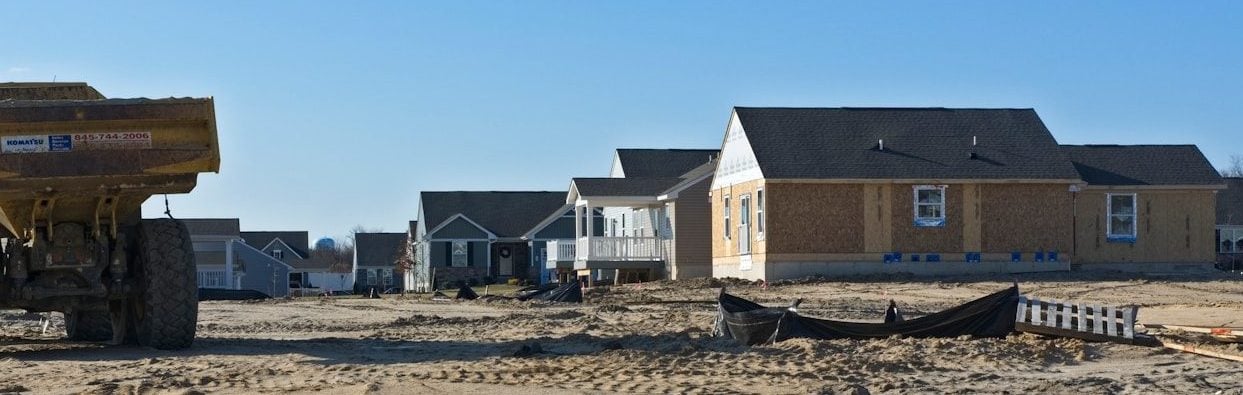
Housing crisis Ireland. The housing crisis in Ireland is a complex issue that goes beyond mere supply and demand. Various factors contribute to this multifaceted problem, including planning delays, infrastructure limitations, and policy gaps. Understanding these interconnected elements is essential for anyone looking to navigate the property market in Ireland.
According to the Central Statistics Office, the demand for housing continues to outstrip supply in urban areas, particularly in Dublin. This article explores the various dimensions of the housing crisis in Ireland, shedding light on the underlying issues affecting buyers, renters, and investors.
The Current Landscape of Ireland’s Housing Crisis
Ireland’s housing crisis is not solely about a lack of homes. It encompasses a range of issues, including economic factors, planning processes, and market dynamics. Recent CSO data indicates that the number of new homes being built in Dublin is insufficient to meet the rising demand, leading to increased property prices and rents.
Planning delays and slow approvals exacerbate the crisis, causing frustration among developers and potential homeowners alike. The impact of these delays is felt most acutely in urban areas, where the need for housing is critical.
Planning Delays and Their Impact on Housing Supply
Dublin’s planning system has faced significant scrutiny, particularly regarding recent applications in Dublin 8. Many projects have stalled due to bureaucratic hurdles, leaving potential homes unbuilt. For instance, a notable residential development in Dublin 8 has been delayed for over a year, highlighting the inefficiencies in the planning process.
The implications for first-time buyers and renters are severe, as these delays contribute to soaring property prices. With limited housing options available, many are priced out of the market, forcing them to seek accommodations further from the city centre.
Infrastructure Limits in Growing Areas
Commuter towns like Maynooth are experiencing rapid population growth, yet their infrastructure remains inadequate. Transport links to Dublin, such as the DART and LUAS, are crucial for enhancing property desirability in these areas. Expansions to these services could significantly impact the housing market.
Commute Patterns and Their Influence on Rental Prices
Average commute times from suburbs to Dublin city centre can reach over an hour, influencing rental prices dramatically. Areas with better transport accessibility often see higher rental yields and property values, as commuters are willing to pay a premium for convenience.
Policy Gaps Affecting Development
The current housing policies in Ireland have been criticized for their inadequacies. Local councils, such as those in Cork, have faced challenges in balancing development needs with community concerns. These policy gaps hinder progress and exacerbate the housing crisis.
The Need for Sustainable Development Policies
Incentivising green building practices could yield significant benefits. By promoting energy-efficient homes, the government could not only meet housing demands but also address environmental concerns. Additionally, Building Energy Rating (BER) ratings are becoming increasingly important in buyer decisions, influencing market dynamics.
Local Market Snapshot
- Average property prices in Dublin 2 are approximately €500,000, while prices in Dublin 12 hover around €350,000.
- Monthly rent averages in Galway city have reached €1,200 for a two-bedroom apartment.
- Time-to-sell statistics for properties in Limerick show an average of 70 days on the market.
- Typical yields for landlords in suburban areas range between 6-8%.
- Recent trends indicate an increase in Local Property Tax and adjustments in stamp duty thresholds.
Lifestyle and Amenities in Key Urban Areas
Desirable neighbourhoods in Dublin offer a wealth of amenities, making them attractive to buyers and renters. Access to quality primary and secondary schools significantly influences property decisions, as families seek areas with reputable educational institutions.
Green Spaces and Community Facilities
Local parks and recreational areas, such as those in Dublin 4, play a vital role in community life. Furthermore, GAA clubs contribute to fostering community ties in rural areas, enhancing the overall appeal of living in these regions.
Opportunities for First-Time Buyers and Investors
First-time buyers in Ireland can take advantage of various schemes, such as the help-to-buy grants, to alleviate some financial burdens. Additionally, investment potential in regeneration zones like Dublin Docklands presents exciting opportunities for those looking to enter the property market.
Understanding the Rental Market as a Landlord
Navigating the RTB rent index is crucial for landlords aiming to establish a competitive pricing strategy. Insights into tenant demographics in Dublin and Cork also provide valuable information for making informed decisions regarding property investments.
Frequently Asked Questions
What are the main causes of the housing crisis in Ireland?
The housing crisis in Ireland is driven by a combination of factors including insufficient housing supply, planning delays, and rising demand. Economic conditions, demographic changes, and inadequate infrastructure further complicate the situation, making it a multifaceted issue.
How do planning delays affect property prices in Dublin?
Planning delays contribute to a bottleneck in housing supply, causing property prices to rise. When developers face bureaucratic hurdles, it limits the number of homes available, thus increasing competition and driving up prices for buyers and renters alike.
What infrastructure improvements are needed for growing areas?
Growing areas require significant infrastructure improvements, particularly in transport links. Enhancing services like the DART and LUAS can improve accessibility, ultimately making these areas more desirable for potential buyers and renters.
What policies could help alleviate the housing crisis?
Policies aimed at streamlining the planning process and promoting sustainable development could help alleviate the housing crisis. Additionally, incentives for green building practices and improved local council planning could foster a more conducive environment for housing development.
How can first-time buyers navigate the current market?
First-time buyers can navigate the current market by leveraging available schemes like the help-to-buy grant. Researching local property listings on platforms such as FindQo.ie can also provide insights into market trends and available options.