
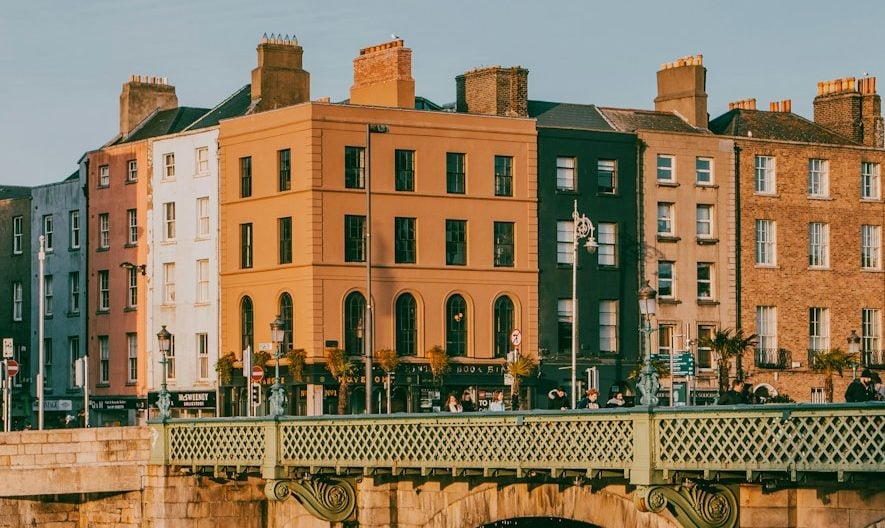
Housing Crisis Ireland. The housing crisis in Ireland has deepened significantly between 2021 and 2026, marked by a stark under-supply of homes against soaring demand. The gap between housing completions and government targets has widened, leaving many potential buyers and renters in a difficult position. This article delves into the complexities of Ireland’s housing market, highlighting key statistics and regional disparities.
As we examine the current state of housing, it becomes evident that the challenges faced by buyers and renters are multifaceted, involving economic factors, lifestyle preferences, and investment opportunities. Understanding these dynamics is crucial for anyone looking to navigate the evolving landscape of Irish property.
The Current State of Ireland’s Housing Market
From 2021 to 2026, Ireland has witnessed a persistent housing crisis characterized by significant shortfalls in housing supply. Government targets aimed for over 33,000 homes annually, yet only approximately 30,000 were completed, leaving a considerable gap. This shortfall is particularly pronounced in urban areas like Dublin, where demand continues to outstrip availability.
Key statistics illustrate the severity of the situation: the average waiting time for social housing can stretch beyond a year, and many individuals find themselves priced out of the market. As the crisis deepens, it is essential to explore the implications for various stakeholders, including buyers, renters, and investors.
Regional Disparities in Housing Availability
The housing availability crisis varies significantly across Ireland, with Dublin experiencing the most acute challenges compared to regional cities. For instance, rental prices in Dublin 2 can reach up to €2,500 per month, while Limerick City averages around €1,200, showcasing a stark contrast in affordability.
Factors Contributing to Unaffordability
Several economic influences have exacerbated the unaffordability of housing in Ireland, including inflation and rising construction costs. The M50 motorway’s expansion has also influenced suburban property prices, making areas like Lucan more desirable yet unaffordable for many.
Lifestyle and Amenities: What Buyers and Renters Seek
In today’s market, the importance of amenities has become paramount in housing decisions. Buyers and renters are increasingly prioritising proximity to green spaces, schools, and healthcare facilities. For example, Dublin 8’s appeal lies in its vibrant community and access to parks, contrasting with Dublin 4, which is more focused on upscale amenities.
Essential Amenities for Families
- Proximity to schools, parks, and healthcare facilities is critical for family-oriented buyers.
- The presence of GAA clubs and community centres fosters local identity and engagement.
The Future of Housing in Ireland
Looking ahead, predictions for Ireland’s housing market suggest a potential recovery, albeit with challenges. New transport links, particularly in Galway, are expected to stimulate housing developments, creating opportunities for buyers and investors alike.
New Build Opportunities
Upcoming developments in urban areas are being closely monitored, as government schemes aimed at first-time buyers are introduced to alleviate some of the pressures. These initiatives are crucial in helping to bridge the gap between supply and demand.
Housing Market Challenges for First-Time Buyers
First-time buyers in Dublin face significant hurdles, particularly with rising property prices and additional costs such as stamp duty impacting purchasing decisions. Many are left navigating a complex market with limited options.
- Current median prices for first-time buyer properties in Dublin are around €400,000.
- Average monthly rent for 1-bedroom apartments in Cork is approximately €1,200.
- Local Property Tax considerations can add further financial burdens for new homeowners.
Investment Opportunities Amidst the Crisis
Despite the ongoing crisis, some investors are still entering the market, drawn by the potential for high yields, particularly in emerging areas like the Docklands. This trend indicates a resilient investment landscape, albeit with caution.
- Average rental yields in Dublin’s tech hubs are reported to be around 8%.
- Key areas for property investment in regional cities include Limerick and Galway.
- Insights from the RTB rent index suggest long-term trends favouring rental growth in urban centres.
Conclusion
In summary, the evolution of Ireland’s housing crisis has far-reaching implications for various stakeholders, from first-time buyers to seasoned investors. Understanding the complexities of the market is essential for navigating the challenges ahead. FindQo.ie is here to assist buyers, renters, and investors in making informed decisions as they navigate the intricate property landscape.
Thinking of selling or letting? List your property on FindQo.ie to reach buyers and renters across Ireland.
Frequently Asked Questions
What are the main causes of the housing crisis in Ireland?
The housing crisis in Ireland is primarily caused by a significant under-supply of homes relative to demand, escalating construction costs, and economic factors such as inflation. These issues have created a perfect storm, making housing increasingly unaffordable for many.
How do rental prices vary across different Irish cities?
Rental prices in Ireland vary widely, with Dublin experiencing the highest costs. For example, while Dublin 2 can see rents around €2,500, cities like Limerick and Cork offer more affordable options, averaging €1,200 and €1,100 respectively. This disparity highlights regional differences in the housing market.
What should first-time buyers consider in the current market?
First-time buyers should consider their budget, the impact of stamp duty, and the importance of location when entering the market. Additionally, exploring government schemes like Help to Buy can provide valuable assistance. For a comprehensive guide, visit FindQo.ie.
Are there any government schemes for affordable housing?
Yes, the Irish government has introduced various schemes aimed at making housing more affordable for first-time buyers, including Help to Buy and Shared Ownership initiatives. These programs are designed to help ease the financial burden on new homeowners.
What areas in Ireland are seeing the most growth in property investment?
Areas such as Dublin’s Docklands and regional cities like Galway and Limerick are witnessing significant growth in property investment. The combination of new developments and improved transport links is attracting both local and international investors.