
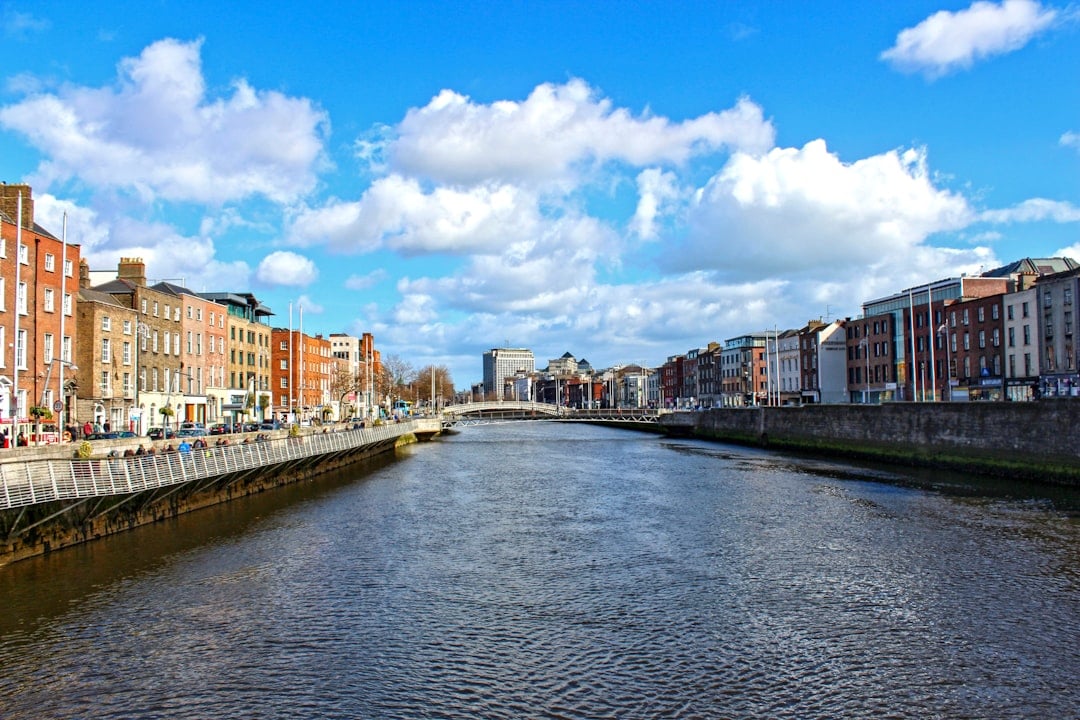
The Dublin property market is more than just a collection of houses and apartments; it embodies the spirit of opportunity and connectivity that drives Ireland’s economic growth. With its rich history and vibrant culture, Dublin continues to attract both domestic and international investors, making it a prime location for property buyers and renters alike.
As Ireland’s capital, Dublin serves as the epicentre of commerce, education, and culture. The city’s extensive transport links and amenities significantly enhance property values, making it an attractive proposition for those looking to invest in real estate.
The Thriving Dublin Property Market
Dublin’s role in Ireland’s economic growth cannot be overstated. As a global hub for technology and finance, the city has witnessed a surge in demand for residential properties. This demand is largely driven by a growing workforce and an influx of multinational companies setting up bases in the area.
Connectivity plays a crucial role in determining property value and desirability. Areas with easy access to transport links, schools, and amenities tend to see higher property prices, making connectivity a key factor for potential buyers.
Local Market Snapshot
Current median property prices in Dublin range significantly across the different postcodes, with Dublin 1 to 24 showcasing varied trends. As of the latest data, Dublin 2 remains one of the most expensive areas, with properties averaging around €500,000, while more affordable options can be found in Dublin 12.
Average monthly rent varies across postcodes, with Dublin 8 offering competitive rates around €2,000 for a two-bedroom apartment. According to the Property Price Register, the time-to-sell for properties in Dublin is approximately 60 days, while the time-to-let averages around 30 days, indicating a fast-moving market.
- Typical rental yields for investors in Dublin 8 and Dublin 2 are around 4%-5%, making these areas attractive for buy-to-let opportunities.
- Median property prices in Dublin 1-24 vary, with Dublin 4 seeing prices upwards of €600,000.
- The RTB rent index indicates a steady increase in rental prices, reflecting the high demand in the Dublin property market.
Opportunities for First-Time Buyers
For first-time buyers in Dublin, various government schemes are available to ease the financial burden. The Help to Buy scheme, for instance, assists buyers in securing their first home by providing a tax rebate of up to 10% of the purchase price.
Areas such as Dublin 10 and Dublin 15 offer more affordable options for new entrants to the market. These suburbs provide a balance of accessibility to the city while still being budget-friendly, making them ideal for first-time buyers.
Lifestyle & Amenities in Dublin
Dublin boasts a range of educational institutions, with top-rated primary and secondary schools enhancing its appeal for families. Notable schools include St. Andrew’s College and The High School, Dublin, which consistently receive high ratings.
Green spaces like Phoenix Park and St. Stephen’s Green offer residents a breath of fresh air amidst the urban landscape. These parks not only provide recreational opportunities but also contribute to the overall quality of life in the city, making nearby properties more desirable.
Transport Connectivity in Dublin
Transport connectivity is a significant factor affecting property values in Dublin. Key transport links, including the LUAS Green Line and DART stations, provide residents with easy access to the city centre and surrounding areas. Sandyford and Ballsbridge, for example, have seen increased property values due to their proximity to these transport options.
Future developments, such as the proposed MetroLink, are expected to further enhance connectivity, potentially impacting property values across various Dublin neighbourhoods. Such infrastructural improvements are likely to attract more buyers and investors, solidifying Dublin’s status as a prime location for property investment.
Investing in Dublin: Trends and Challenges
- Latest statistics from the RTB rent index indicate a 5% increase in rental prices year-on-year, reflecting strong demand.
- Key areas for investment include Dublin Docklands and the IFSC, which are rapidly developing and attracting interest from investors.
- Understanding BER ratings is essential for buyers, as energy efficiency can significantly influence property values.
The Dublin Property Ecosystem
The competitive landscape for estate agents and landlords in Dublin is thriving, with numerous agencies vying for market share. However, challenges related to Eircodes and property naming conventions can complicate the buying process for both sellers and buyers.
Despite these challenges, unique opportunities exist for developers and investors, particularly in regeneration zones like the North Lotts. These areas are seeing significant investment and development, promising a bright future for the Dublin property market.
Thinking of selling or letting? List your property on FindQo.ie to reach buyers and renters across Ireland.
Frequently Asked Questions
What are the current property prices in Dublin?
Current property prices in Dublin vary widely depending on the area. For instance, Dublin 2 is one of the most expensive locations, with median prices around €500,000. In contrast, more affordable options can be found in areas like Dublin 10, where prices typically start at €300,000. For the latest listings, explore FindQo.ie.
How can first-time buyers benefit from government schemes in Dublin?
First-time buyers in Dublin can take advantage of several government schemes, including the Help to Buy scheme, which offers tax rebates up to 10% of the purchase price. This initiative aims to make homeownership more accessible, particularly in a competitive market where prices are rising.
What amenities should I consider when looking for a property in Dublin?
When searching for a property in Dublin, consider proximity to schools, parks, and public transport. Areas with good educational institutions and green spaces, like Phoenix Park, not only enhance your living experience but also contribute to higher property values.
How does transport connectivity impact property values in Dublin?
Transport connectivity significantly affects property values in Dublin. Areas with easy access to DART stations and LUAS lines, such as Sandyford, tend to see higher property prices due to their appeal to commuters. Future transport developments will likely continue to influence these trends.
What are the challenges faced by investors in the Dublin property market?
Investors in the Dublin property market face several challenges, including rising prices and regulatory changes. Additionally, understanding Eircodes and property naming conventions can complicate transactions. However, key investment areas like Dublin Docklands present exciting opportunities despite these hurdles.