
As the capital of Ireland, Dublin has long been a focal point for property investment. With its vibrant economy and rich cultural heritage, many investors are keen to understand the current landscape of Dublin property investment. This article delves into the latest trends, neighbourhood insights, and the challenges faced by first-time buyers.
Over the past decade, Dublin’s property market has experienced significant changes, influenced by economic cycles, urban development, and shifting demographics. Understanding these dynamics is crucial for anyone considering an investment in Dublin’s property market.
The Dublin Property Landscape
The Dublin property market is currently witnessing a surge in demand, driven by population growth and a thriving job market. With a variety of property types available, from modern apartments to traditional homes, investors have numerous options. However, the rising prices have created challenges, particularly for first-time buyers.
Historically, Dublin’s property market has evolved from the post-2008 crash, where prices plummeted, to a steady recovery phase. Over the last decade, the market has seen a remarkable turnaround, with property values increasing significantly, prompting many to question if this trend will continue.
Dublin’s Neighbourhoods: Where to Invest?
When considering Dublin property investment, it’s essential to evaluate different neighbourhoods. Dublin 2 and Dublin 8, for example, offer distinct property values and rental yields. Dublin 2, known for its central location, typically commands higher prices, while Dublin 8 is gaining popularity due to its affordability and community vibe.
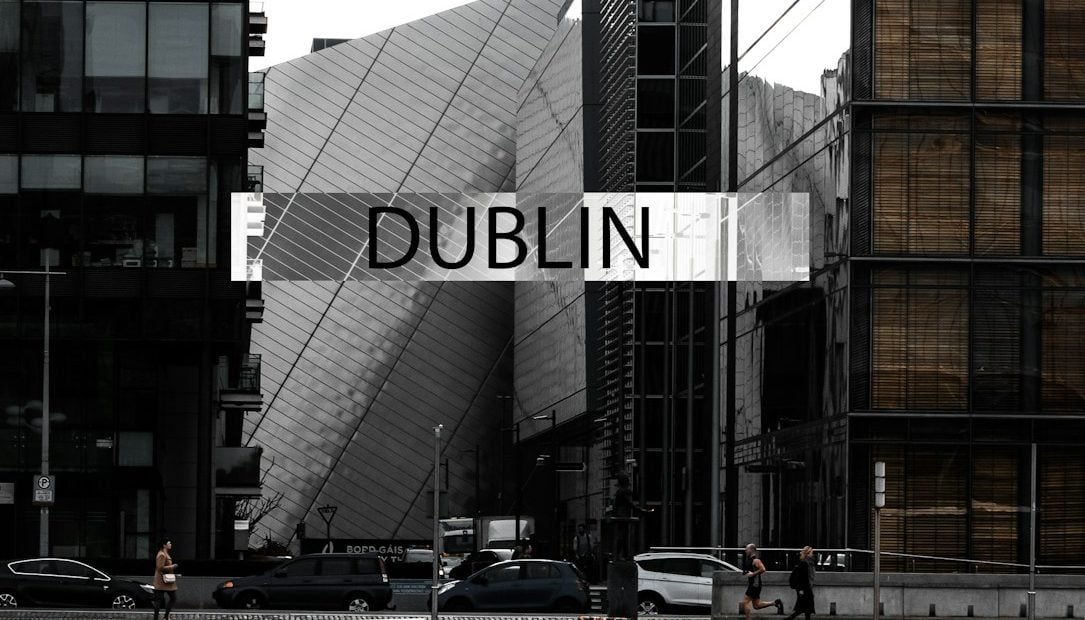
Emerging areas like the Dublin Docklands are experiencing substantial regeneration, with new developments attracting both renters and buyers. The ongoing transformation of this area highlights the potential for investment growth.
Micro-Markets: Analyzing Rents and Sales in Popular Districts
In districts like Rathmines and Ranelagh, micro-markets are becoming increasingly relevant. These areas boast high rental demand, especially among young professionals and students, leading to competitive prices and attractive yields for landlords.
Commuting Patterns: The Influence of Transport Links
Transport links such as the LUAS and DART significantly influence property desirability in Dublin. Areas with easy access to these services tend to see higher property values, as they appeal to commuters looking for convenience in their daily lives.
Local Market Snapshot
As of 2023, the median property price in Dublin stands at approximately €400,000, according to the Property Price Register. This figure reflects the ongoing demand in the market, despite challenges like rising interest rates.
Average monthly rents have also seen an upward trend, with insights from the Residential Tenancies Board (RTB) indicating that rents in Dublin have increased by over 5% in the last year. Time-to-sell and time-to-let statistics are vital for investors, as they provide insights into market activity and demand.
- Typical yields for landlords in Dublin range from 6% to 8%, particularly in areas with high student populations.
- Properties in Dublin 1 and Dublin 4 often yield higher returns due to their proximity to universities and amenities.
Lifestyle and Amenities in Dublin
Access to quality schools is a significant factor for families considering a move to Dublin. Areas like Dublin 4 and Dublin 6 are renowned for their educational institutions, making them attractive for homebuyers.
Green spaces play a crucial role in Dublin’s appeal. Parks such as St. Stephen’s Green and Herbert Park provide residents with recreational facilities, enhancing the overall quality of life in the city.
First-Time Buyers in Dublin
First-time buyers face a competitive market in Dublin, where rising prices and limited availability can be daunting. Many are navigating the complexities of securing financing and understanding market dynamics.
Financial Considerations: Understanding Stamp Duty Thresholds
Understanding stamp duty thresholds and Local Property Tax implications is essential for first-time buyers. With current rates, buyers need to budget carefully to account for these costs.
New-Build Schemes: Opportunities for First-Time Buyers
New-build schemes are emerging as viable options for first-time buyers in Dublin. These developments often offer incentives and financial assistance, making homeownership more accessible in the current market.
Investors and Landlords: Navigating Dublin’s Market
Yield pressure is a significant concern for property investors in Dublin, particularly as purchase prices continue to rise. Landlords must adapt their strategies to maintain profitability in this evolving landscape.
Key Strategies for Maximizing Rental Income in Dublin
To maximize rental income, landlords should focus on property management efficiency and understanding tenant needs. Offering amenities and maintaining properties in good condition can lead to higher rental yields.
- Typical BER (Building Energy Rating) bands for Dublin properties often range from B2 to D1, impacting energy costs and tenant appeal.
- Local regulations, such as the RTB guidelines, affect landlords and tenants, necessitating compliance to avoid penalties.
The Future of Property Investment in Dublin
Upcoming infrastructure projects are set to impact property values significantly. Developments in transport and public amenities will likely enhance the desirability of various neighbourhoods in Dublin.
Additionally, the role of tourism and international business continues to drive demand for rental properties, suggesting that Dublin remains a strong contender for investors looking to enter the market.
Conclusion
In conclusion, Dublin remains a compelling option for property investment, given its vibrant economy, diverse neighbourhoods, and ongoing developments. Investors and first-time buyers alike can find valuable opportunities in this dynamic market.
Thinking of selling or letting? List your property on FindQo.ie to reach buyers and renters across Ireland.
Frequently Asked Questions
Is Dublin still a viable option for first-time buyers?
Yes, Dublin remains a viable option for first-time buyers, although the market can be competitive. Many new-build schemes and financial assistance programs are available to help ease the burden of high prices.
What are the average rental yields for Dublin properties?
Average rental yields in Dublin typically range between 6% and 8%, depending on the location and type of property. Areas with high student populations tend to offer the best returns for landlords.
How do Dublin’s transport links affect property values?
Transport links such as the LUAS and DART significantly enhance property values in Dublin. Properties with easy access to these services are more desirable, particularly among young professionals and families.
What neighbourhoods are best for property investment in Dublin?
Neighbourhoods like Dublin 2, Dublin 8, Rathmines, and the Dublin Docklands are currently considered excellent for property investment due to their growth potential and rental demand.
What financial assistance is available for first-time buyers in Dublin?
First-time buyers in Dublin can access various financial assistance programs, including the Help to Buy scheme, which offers tax rebates to support home purchases. For more information, visit FindQo.ie.