
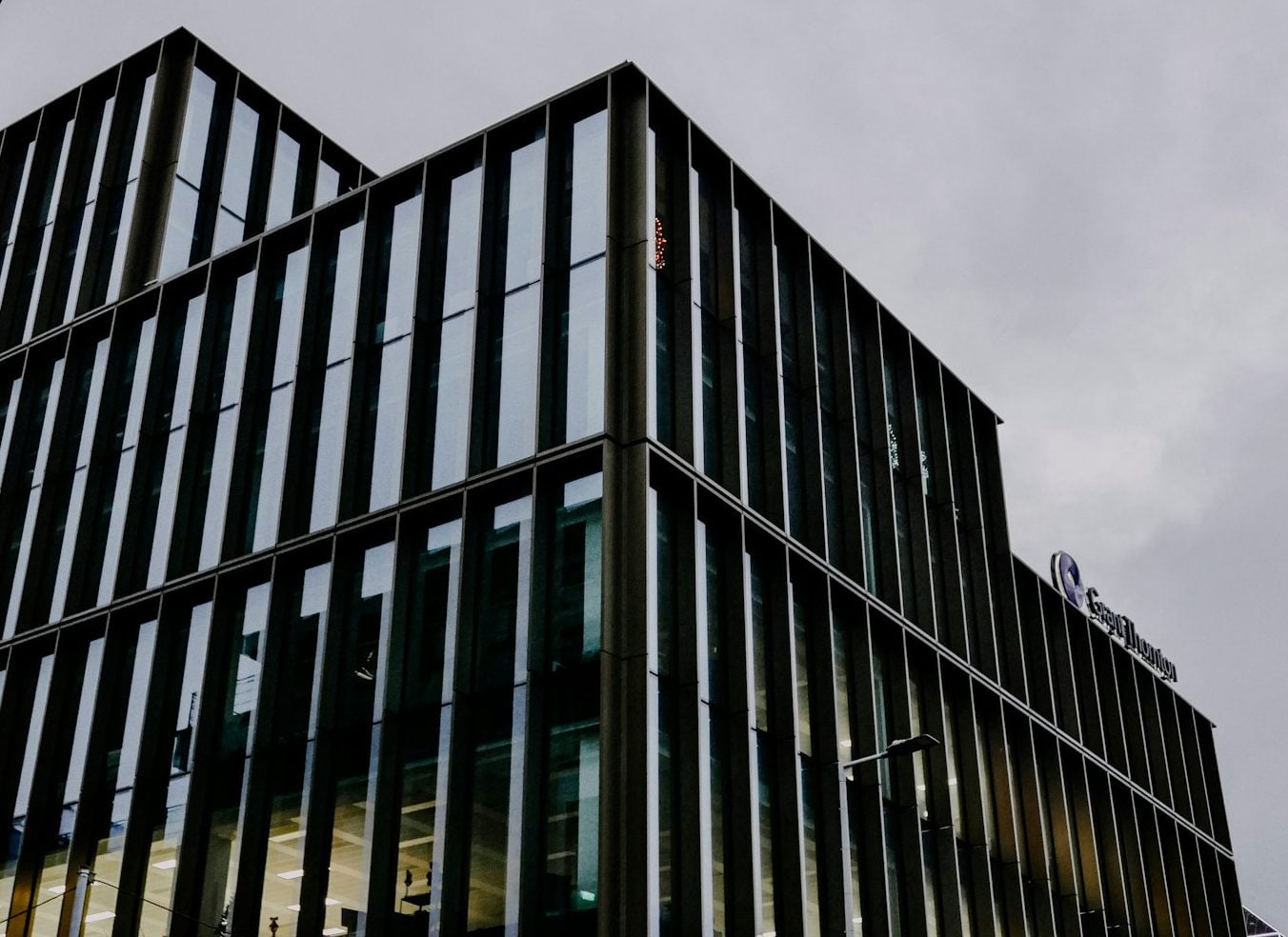
The Dublin housing crisis has become a pressing issue, with homelessness rates reaching alarming levels. Recent statistics from the Department of Housing indicate a persistent rise in the number of individuals and families without permanent homes. This crisis is not just about numbers; it reflects broader systemic issues within Ireland’s housing framework.
Chronic underbuilding has compounded affordability issues, making it difficult for many to find suitable housing. As Dublin grapples with these challenges, understanding the dynamics of the housing market is crucial for both residents and potential investors.
The Current State of Dublin’s Housing Crisis
According to the latest figures from the Department of Housing, Dublin has witnessed a worrying increase in homelessness, with thousands of individuals currently without a stable residence. The chronic underbuilding of new homes is a significant factor contributing to this crisis, severely impacting affordability and accessibility for many families.
When comparing housing supply and demand, Dublin 1 and Dublin 8 present stark contrasts. Dublin 1, being a central area, faces intense competition for limited housing, while Dublin 8, though slightly more affordable, still struggles with supply issues that exacerbate the crisis.
Understanding the Underlying Causes
Several economic factors are driving the housing shortages in Dublin, including rising construction costs and inflation that outpaces wage growth. These challenges make it increasingly difficult for developers to meet the growing demand for housing. Some argue that policy decisions, such as restrictive zoning laws and complex planning permissions, further hinder development efforts.
A local example of this is the impact of the M50 expansion, which has opened up surrounding areas for development. However, without adequate planning and investment, these opportunities may not alleviate the housing shortage in the short term.
The Human Cost: Personal Stories from Dublin
In Dublin 4, personal stories illustrate the human cost of the housing crisis. Families face daily struggles, with many relying on local charities for support. These organisations are working tirelessly to provide shelter and resources, highlighting the urgent need for systemic change.
Community support systems are essential in areas like Rathmines and Tallaght, where local charities offer services to those affected by homelessness. Their efforts underscore the importance of collective action in addressing this crisis.
Local Market Snapshot
Current median property prices in Dublin vary significantly between neighbourhoods. For instance, Dublin 2 sees higher prices compared to Dublin 12, reflecting demand and location desirability. Average monthly rents also differ, with key areas like Smithfield and Clondalkin showing contrasting rental trends.
- Median property prices: Dublin 2 – €550,000; Dublin 12 – €350,000
- Average monthly rents: Smithfield – €2,200; Clondalkin – €1,600
- Time-to-sell metrics show properties in Dublin 1 averaging 45 days, while Dublin 8 averages 60 days.
Lifestyle & Amenities in Affected Areas
The most impacted areas in Dublin also offer a range of lifestyle amenities. For instance, Dublin 8 boasts several primary schools, providing essential education services to families. Access to green spaces, such as Phoenix Park, offers recreational opportunities that enhance community living.
Public transport connectivity is also vital. With DART stations and LUAS lines serving these areas, residents can commute easily, influencing their housing choices and overall quality of life.
The Role of First-Time Buyers in the Market
First-time buyers face numerous challenges in Dublin’s current climate, primarily due to high property prices and competition from investors. However, government initiatives like the Help to Buy scheme provide some assistance, making it easier for new buyers to enter the market.
Areas like Dublin 15 are emerging as opportunities for first-time buyers, offering more affordable options compared to central locations. These suburbs are becoming increasingly popular among young professionals and families.
Opportunities for Investors and Landlords
For investors, Dublin presents a unique landscape with promising rental yields, particularly in new developments in the Docklands. As demand for rental properties continues to rise, understanding tenant preferences, such as energy-efficient homes, is essential.
Investors should also consider the implications of the Local Property Tax, which can affect profitability. Staying informed about market trends will be crucial for making sound investment decisions.
Challenges and Opportunities in the Dublin Property Market
Competition among estate agents has intensified, impacting pricing strategies across the market. Unique naming quirks in Dublin’s property listings can also pose SEO challenges for agents trying to attract potential buyers.
New transport links and regeneration zones are on the horizon, which may significantly influence future property values. Keeping an eye on these developments can provide insights into market shifts.
Conclusion
The interconnectedness of Dublin’s housing crisis and the overall property landscape cannot be overstated. As the market continues to evolve, it is essential for residents, buyers, and investors to stay informed and engaged.
Thinking of selling or letting? List your property on FindQo.ie to reach buyers and renters across Ireland.
Frequently Asked Questions
What are the main causes of Dublin’s housing crisis?
The main causes of Dublin’s housing crisis include rising construction costs, inflation, and restrictive zoning laws that limit new developments. These factors have contributed to a severe housing shortage, making it difficult for families to find affordable homes.
How has homelessness in Dublin changed in recent years?
Homelessness in Dublin has seen a significant increase in recent years, with thousands now living in temporary accommodation. The crisis reflects broader systemic issues in the housing market, highlighting the need for urgent policy changes.
What areas in Dublin are most affected by the housing crisis?
Areas like Dublin 1 and Dublin 8 are among the most affected by the housing crisis, facing high demand and limited supply. These regions often experience significant competition for available properties, driving prices upward.
What can first-time buyers do to navigate the current market?
First-time buyers can navigate the current market by exploring government initiatives like the Help to Buy scheme and considering outer suburbs, such as Dublin 15, where properties are more affordable. Staying informed about market trends is also beneficial.
Are there any upcoming developments that could alleviate the housing crisis?
Several upcoming developments in Dublin, particularly in regeneration zones and near new transport links, may help alleviate the housing crisis. Monitoring these projects can provide insights into potential improvements in housing availability.