
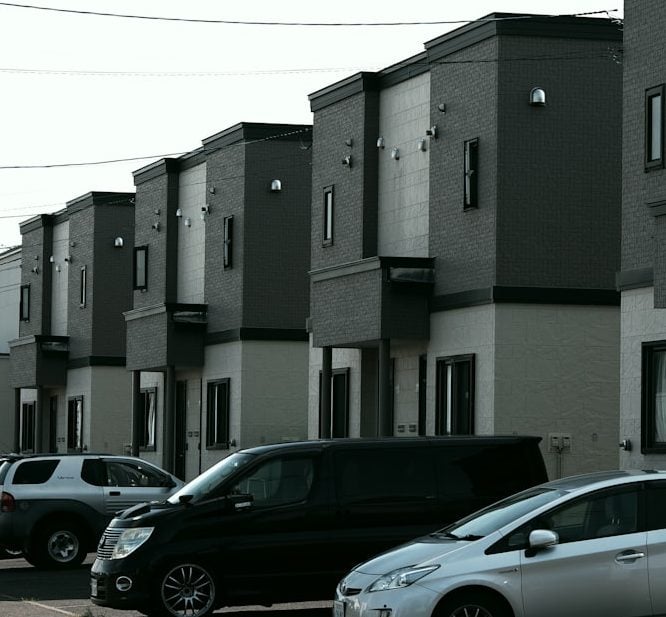
Cork is facing an acute housing shortage as demand continues to rise faster than new supply. Strong population growth, a thriving jobs market, and sustained inward migration have placed unprecedented pressure on the city’s housing stock. For buyers and renters alike, finding a suitable home in Cork has become increasingly difficult.
Using data from the Central Statistics Office , the Property Price Register, and the RTB, this article examines why Cork’s housing supply is falling behind demand and what this means for home seekers, first-time buyers, and investors.
Cork’s Growing Population and Housing Demand
According to the CSO, Cork City’s population has grown by over 10% since 2016, driven largely by employment growth in sectors such as biopharma, technology, and healthcare. Major employers and institutions, including University College Cork , continue to attract workers and students to the region.
However, housing completions have not kept pace with this growth. New housing supply remains constrained, particularly within the city and key commuter suburbs, creating a widening gap between demand and availability.
Property Prices Rising as Supply Tightens
Limited supply has translated directly into rising property prices. The Property Price Register shows that average house prices in Cork City increased by approximately 15% year-on-year, with the median price now close to €350,000.
Suburbs such as Douglas, Ballincollig, and Glanmire have seen particularly strong price growth, reflecting buyer demand for family homes within commuting distance of the city centre. In many cases, properties in these areas are selling within four weeks, highlighting the competitive nature of the market.
Rental Market Under Severe Pressure
The rental market in Cork is equally strained. RTB data indicates that average monthly rents for a two-bedroom apartment in Cork City now exceed €1,600, with higher figures in central and well-connected areas.
Low vacancy rates have intensified competition, leaving tenants with fewer choices and limited negotiating power. This has been especially challenging for students and younger workers, many of whom rely on rental accommodation close to employment and education hubs.
What’s Limiting Housing Supply in Cork?
Several factors are restricting new housing delivery in Cork:
- Planning delays and lengthy approval processes
- Rising construction and financing costs
- Infrastructure constraints in expanding suburbs
- Limited availability of serviced land within the city
These issues have slowed the delivery of new homes, particularly affordable and mid-range properties, despite strong underlying demand.
First-Time Buyers Caught in the Middle
First-time buyers in Cork are increasingly squeezed between rising prices and limited choice. While supports such as the Help to Buy scheme have improved deposit affordability for new builds, the lack of supply means buyers often face bidding pressure and limited availability.
Areas such as Mahon, Blackrock, and parts of Ballincollig are emerging as more attainable options, but competition remains strong as more buyers look beyond the city core.
Investor Demand Adds Further Pressure
Cork remains attractive to investors due to consistent rental demand and average gross yields of around 7%. While this supports supply in the rental sector, it also increases competition for available homes, particularly in popular suburbs and near employment centres.
Investor activity is especially noticeable in areas close to UCC, Cork city centre, and major transport routes.
Student Housing and Seasonal Demand
Student accommodation shortages continue to intensify pressure on Cork’s rental market. Demand peaks around the academic year, particularly in areas such as Bishopstown and Wilton, where availability is limited and rents rise quickly.
Purpose-built student accommodation has increased in recent years, but demand continues to exceed supply.
Conclusion
Cork’s housing crisis is defined by one core issue: demand continues to outstrip supply. Population growth, economic expansion, and limited new housing delivery have created a highly competitive market for buyers and renters alike.
Addressing Cork’s housing shortage will require faster planning processes, increased housing delivery, and coordinated investment in infrastructure. In the meantime, platforms like FindQo.ie play an important role in helping buyers, renters, and landlords navigate a market where choice is limited and competition is high.
Thinking of selling or letting? List your property on FindQo.ie to reach buyers and renters across Ireland.
Frequently Asked Questions
What is causing Cork’s housing shortage?
The housing shortage in Cork is primarily due to rapid population growth, driven by job opportunities in sectors like biopharma and technology. Additionally, planning delays and rising construction costs hinder new developments, exacerbating the issue.
How do Cork property prices compare to other Irish cities?
Cork property prices are generally lower than those in Dublin but have seen significant growth in recent years. The median property price in Cork City now stands at around €350,000, making it an attractive option for buyers compared to the capital.
What should first-time buyers in Cork consider?
First-time buyers should consider government schemes like Help to Buy, which can ease the financial burden of purchasing a home. Additionally, evaluating the potential for property appreciation in emerging areas such as Blackrock can provide long-term benefits.
Are there any government incentives for buying property in Cork?
Yes, the Irish government offers various incentives for first-time buyers, including the Help to Buy scheme, which provides tax relief on new builds. These initiatives aim to make homeownership more accessible to those entering the market.
What areas in Cork are best for rental investments?
Key areas for rental investments in Cork include the city centre and suburbs like Ballincollig and Douglas. These locations are experiencing high demand for rental properties, making them promising options for investors looking to capitalise on the growing rental market.