

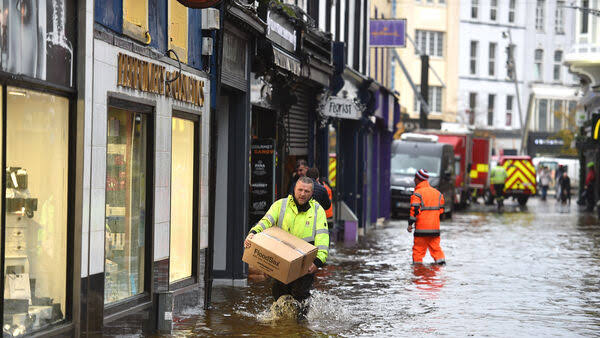
Understanding flood risk in Ireland is crucial for anyone considering buying or renting property. Factors such as geographical location, local climate, and infrastructure can significantly impact property decisions. This article will delve into how flood risk influences these choices, and the importance of utilizing resources like flood maps and local knowledge.
Flood risk assessments provided by the OPW (Office of Public Works) serve as a key resource for making informed decisions. By considering these assessments, potential buyers and investors can better understand the implications of flood risk on property values and insurance costs.
Understanding Flood Risk in Ireland
Flood risk in Ireland is influenced by various factors, including rainfall patterns, river systems, and coastal erosion. Urban development in flood-prone areas can exacerbate these risks, making it essential for buyers to be aware of their surroundings. Flood maps offer a visual representation of these risks, allowing individuals to make informed choices about where to live.
Local knowledge also plays a critical role. Residents often have insights into historical flooding events and can provide context that flood maps alone cannot. For instance, areas that have been prone to flooding in the past may still be at risk, even if recent developments have been made.
Regional Variations in Flood Risk
In Dublin, the contrast between coastal areas like Clontarf and inland suburbs such as Tallaght highlights the regional variations in flood risk. While Clontarf faces potential flooding from rising sea levels, Tallaght’s risk is more associated with local drainage issues.
Galway’s property values are significantly impacted by the River Corrib, particularly in the city centre, where properties are more susceptible to flooding compared to elevated areas. Similarly, in Cork, properties near the River Lee experience different flood risks than those situated in the suburbs, making location a vital consideration.
Local Market Snapshot
Current median property prices in high-risk flood areas can be lower than those in safer zones. For example, properties in flood-prone areas often see a decrease in demand, affecting their market value. Rental costs also reflect this trend, with potential tenants showing reluctance to invest in high-risk zones.
Statistics from the CSO reveal that time-to-sell in flood-prone regions can be longer, as buyers weigh the risks. Landlords in these areas may also notice different yield patterns compared to properties located in safer zones, emphasizing the importance of thorough market research.
Lifestyle & Amenities in Flood-Prone Areas
When considering flood-prone areas, it’s important to evaluate local amenities such as schools, parks, and community centres. For instance, Dublin 8 offers a variety of local schools and parks but is also identified as a flood risk zone. The availability of these amenities can influence a buyer’s decision.
Accessibility to transport links, such as the DART and LUAS, is another factor. Areas near these transport connections may be more appealing to buyers, despite their flood risk. Emergency services and hospitals are also crucial considerations for those living in flood-affected regions.
First-Time Buyers and Flood Risk Considerations
First-time buyers should be particularly cautious when assessing flood risk in their chosen locations. Researching flood maps and understanding local history can help mitigate potential issues. Additionally, insurance for properties in flood-prone areas can be more expensive, making it essential to budget accordingly.
Financial assistance schemes for first-time buyers, such as the Help to Buy initiative, may be more readily available in safer areas. This highlights the need for prospective buyers to weigh their options carefully and consider the benefits of investing in less risky locations.
Investors/Landlords: Navigating Flood Risk
Investors should consider several key factors when purchasing properties in flood-prone areas. The potential for higher insurance premiums can significantly impact overall investment returns. Additionally, maintenance costs may be higher due to the risks associated with flooding.
However, there are opportunities for new build developments in regeneration zones with lower flood risk. Investors can capitalize on these developments, potentially leading to better returns as demand increases in safer areas.
Flood Risk Assessment Checklist
- Consult flood maps from the OPW.
- Review local planning permissions and flood risk reports.
- Check the Local Property Tax implications in flood-prone areas.
- Assess the average monthly rental prices in safer zones vs. high-risk areas.
- Consider the impact of climate change on future property values.
The Role of Estate Agents in Advising on Flood Risk
Estate agents play a vital role in advising clients on flood risk. They can provide valuable information about the flood history of properties, which is essential for informed decision-making. Local knowledge helps agents guide buyers and landlords in understanding market trends and making educated choices.
At FindQo.ie, we assist buyers and landlords in navigating these challenges, ensuring they have access to comprehensive property listings that take flood risk into account.
Conclusion
Flood risk can significantly influence property decisions in Ireland, affecting everything from market prices to insurance costs. As buyers and investors navigate this landscape, utilizing resources like FindQo.ie can provide essential insights tailored to flood risk awareness.
Thinking of selling or letting? List your property on FindQo.ie to reach buyers and renters across Ireland.
Frequently Asked Questions
What areas in Ireland are most at risk of flooding?
Areas such as coastal regions and those near rivers, like parts of Dublin, Galway, and Cork, are most at risk of flooding. Local flood maps can provide specific details about flood zones, helping buyers make informed decisions.
How can I check if a property is in a flood zone?
You can check if a property is in a flood zone by consulting flood maps provided by the OPW. These maps offer detailed information about flood-prone areas in Ireland, allowing for better property assessments.
What impact does flood risk have on property insurance premiums?
Flood risk can significantly increase property insurance premiums. Insurers often view properties in high-risk zones as more likely to incur claims, leading to higher costs for homeowners and landlords in those areas.
Are there any government grants available for properties in flood-prone areas?
Yes, there are government grants available for properties in flood-prone areas, aimed at helping homeowners mitigate risks and improve resilience. It’s advisable to check local government resources for specific programs.
How does flooding affect property values in Dublin compared to rural areas?
Flooding can lead to decreased property values, particularly in high-risk areas of Dublin. In contrast, rural areas may experience less volatility in property values, but flood risk remains a crucial factor for buyers in all regions.