
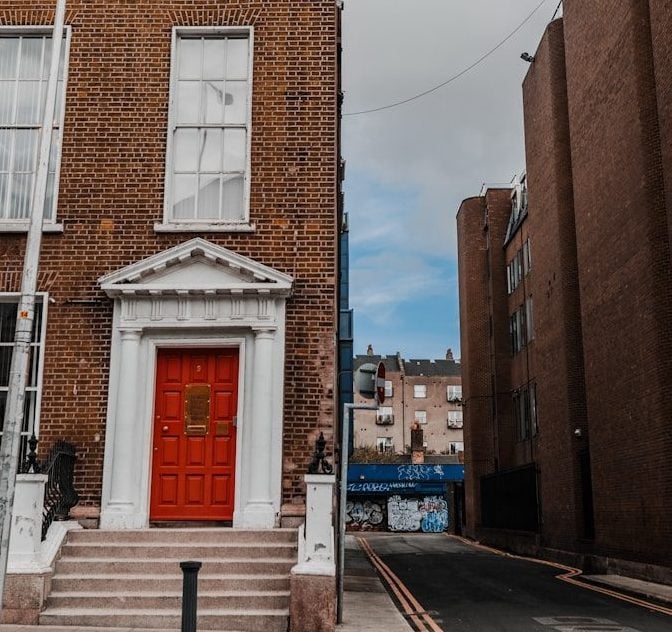
The rental market in Ireland has seen a significant upward trend, with prices rising consistently over recent years. This increase is influenced by various factors, including high demand paired with limited supply. As more individuals look for rental properties, the competition intensifies, leading to higher costs for tenants across the country.
The situation is particularly pronounced in Dublin, where the demand for rental properties often exceeds the available supply. Understanding these dynamics is crucial for anyone looking to navigate the Irish rental market.
The Rising Trend of Rent in Ireland
Currently, the rental market landscape in Ireland reflects a challenging environment for renters. Various factors contribute to the rising trend of rent in Ireland, including economic growth, population increase, and shifting lifestyle preferences. The demand for rental properties is on the rise, while supply constraints continue to hinder availability, resulting in escalating rental prices.
Many argue that the combination of urbanisation and an influx of people moving to cities for work has created a perfect storm for the rental market. As the population grows, particularly in urban areas, the pressure on housing stock increases, leading to higher rents.
Demand Exceeding Supply in Dublin 2 vs Dublin 8
In Dublin, the rental demand varies significantly between districts. Dublin 2, known for its vibrant lifestyle and proximity to the city centre, has experienced substantial rental price increases compared to Dublin 8. This disparity is driven by the desirability of location, with many tenants willing to pay a premium for Dublin 2’s amenities and accessibility.
Case studies show that rental prices in Dublin 2 can be up to 20% higher than in Dublin 8. This trend highlights the importance of location in determining rental costs and the intense competition for desirable properties.
Factors Driving Demand
Several factors contribute to the high demand for rentals in both Dublin 2 and Dublin 8. Proximity to the city centre and excellent public transport links, such as the LUAS and DART, make these areas particularly appealing to renters. Additionally, local amenities, including shops, restaurants, and recreational facilities, enhance the lifestyle offerings in these districts.
As the city continues to evolve, the demand for properties in these areas is expected to remain strong, further influencing rental trends.
Construction Delays Impacting New Rental Properties
Construction delays have become a significant issue impacting the availability of new rental properties in Ireland. Many projects face setbacks due to various challenges, including supply chain disruptions and local planning regulations. These delays have a direct effect on rental stock, exacerbating the existing supply issues.
Statistics from the Property Price Register (PPR) indicate that the number of new builds has not kept pace with the growing demand, resulting in a tighter rental market. This situation is particularly evident in areas like the Docklands, where ambitious development plans have slowed down.
Specific Areas Affected
The Docklands and Northside regions are among those most affected by construction delays. Local planning regulations can often slow down the approval process for new developments, limiting the number of rental properties entering the market. This creates a competitive environment for existing rentals, pushing prices higher as potential tenants vie for limited options.
Regulatory Changes Affecting Landlord Participation
Recent legislative changes have also impacted landlord participation in the rental market. New regulations aimed at protecting tenants have been introduced, which some argue may discourage investment in rental properties. These changes can have significant implications for rental prices and availability, as landlords reassess their strategies in light of the new legal landscape.
With the introduction of measures such as Rent Pressure Zones (RPZs), landlords may be restricted in how much they can increase rent, potentially leading to fewer properties being made available for rent as some landlords opt to exit the market altogether.
Key Regulations to Note
Understanding the key regulations affecting landlords is crucial for navigating the rental market. RPZs have been implemented to control rent increases in certain areas, while changes in Local Property Tax can influence investment decisions. These regulations can create a complex environment for landlords, impacting their willingness to engage in the rental market.
Local Market Snapshot
- Average monthly rent in Dublin: €2,200 for a two-bedroom apartment
- Median rental prices in Cork City: €1,600
- Typical yields for landlords in Galway: 8-10%
- Average time-to-let in Limerick: 4 weeks
- Current vacancy rates in popular student areas like Maynooth
Lifestyle & Amenities Impacting Rental Choices
Local amenities play a crucial role in shaping rental choices. Areas with strong community engagement, parks, schools, and recreational facilities tend to attract more renters. For instance, neighbourhoods that offer a vibrant café culture and access to public transport options are often preferred by young professionals and families alike.
As lifestyle preferences evolve, the availability of amenities can significantly influence where people choose to live, further impacting rental dynamics in those areas.
Key Amenities to Consider
When considering rental options, key amenities such as schools and educational institutions nearby can be decisive factors for families. Additionally, the presence of parks, cafés, and recreational facilities enhances the appeal of a neighbourhood. Public transport options, like LUAS and DART stations, are also vital for those commuting to work or school.
Understanding the Student Rental Market
The demand for student accommodation is particularly pronounced in cities like Galway and Dublin. As university enrollment trends continue to rise, so too do rental prices for student housing. This surge in demand can create challenges for students seeking affordable accommodation close to their institutions.
In Dublin, the average rent for student accommodation is around €1,000 per month, with popular areas including Rathmines, Ranelagh, and Drumcondra. The growth of purpose-built student accommodation (PBSA) has also influenced the market, providing more tailored options for students.
- Average rent for student accommodation in Dublin: €1,000 per month
- Popular areas for students: Rathmines, Ranelagh, and Drumcondra
- Growth in purpose-built student accommodation (PBSA)
Frequently Asked Questions
Why are rents in Ireland rising so quickly?
The rapid increase in rents in Ireland is primarily due to a combination of high demand and limited supply. As urbanisation continues and more individuals seek rental housing, the competition for available properties drives prices up. Additionally, factors such as construction delays and regulatory changes further exacerbate the situation, making it challenging for renters.
What areas in Dublin are experiencing the highest rental increases?
Areas like Dublin 2 and Dublin 8 are experiencing some of the highest rental increases in the city. The desirability of these districts, combined with proximity to amenities and transport links, has led to significant price hikes. Renters are often willing to pay a premium for the lifestyle and convenience these locations offer.
How do construction delays affect my rental options?
Construction delays can significantly limit the availability of new rental properties, creating a tighter market for existing rentals. This can lead to increased competition and higher rents as demand outstrips supply. Delays are often caused by regulatory challenges and supply chain issues, further complicating the rental landscape.
What regulations should landlords be aware of in 2023?
Landlords should be aware of several key regulations, including Rent Pressure Zones (RPZs), which limit rent increases in certain areas. Additionally, changes in Local Property Tax can impact investment decisions. Staying informed about these regulations is crucial for landlords to navigate the rental market effectively.
Are there specific neighborhoods in Ireland that offer better rental yields?
Yes, certain neighborhoods in Ireland, such as Galway and parts of Cork, offer better rental yields for landlords. Areas with strong demand, such as those near universities or urban centres, tend to provide higher returns. For more information on potential investment opportunities, visit FindQo.ie.
Conclusion
In conclusion, the rising rents in Ireland can be attributed to several interconnected factors, including high demand, construction delays, and regulatory changes. As the market continues to evolve, staying informed as a buyer, renter, or investor is crucial. For those looking to navigate the complexities of the rental market, exploring listings on FindQo.ie can provide valuable insights and opportunities.