
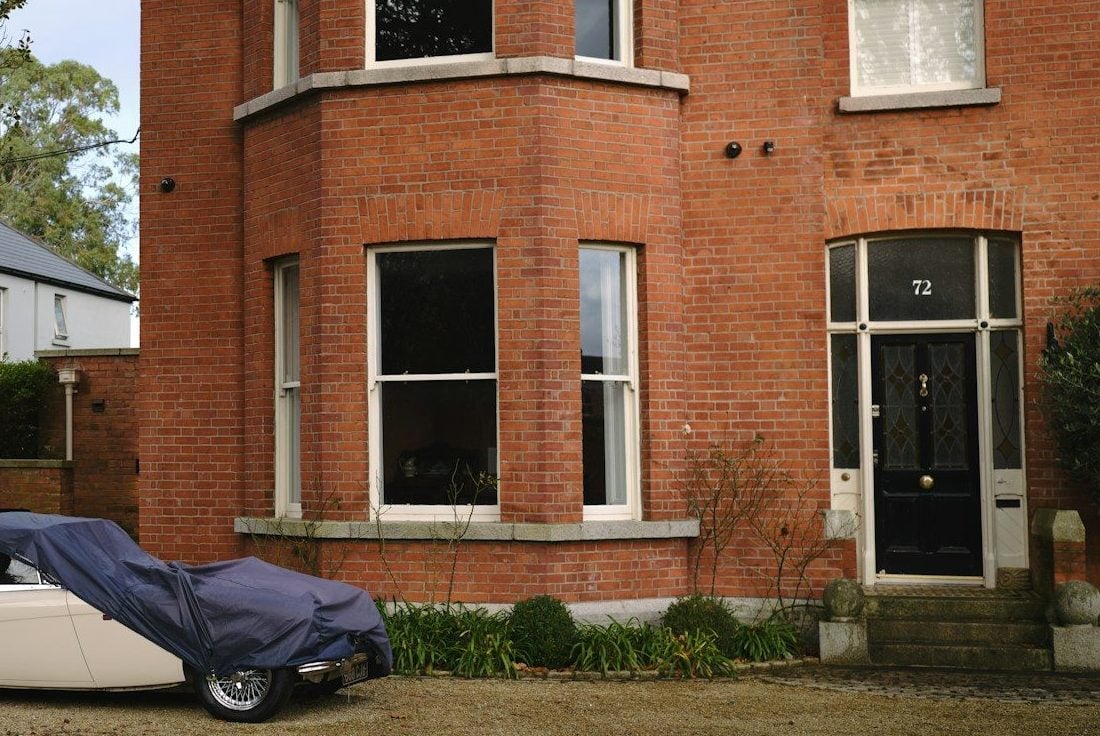
As we look ahead, understanding Ireland’s property market outlook becomes essential for buyers, sellers, and investors alike. With fluctuating trends and economic factors at play, insights into the market can help navigate the complexities of property decisions. This article delves into current trends, regional insights, and what the next 12 months may hold for the Irish property landscape.
Recent data indicates a dynamic environment shaped by supply shortages and economic conditions. From Dublin to Cork, the landscape varies significantly, making it crucial for stakeholders to stay informed on the latest developments affecting property values and rental yields.
The Current State of Ireland’s Property Market
The Irish property market is currently experiencing notable trends, including rising prices and a scarcity of available homes. According to the Property Price Register (PPR), average house prices in major cities have increased significantly, with Dublin leading the charge. For instance, Dublin’s average property price has surged to €500,000, reflecting a broader trend in urban areas.
Supply shortages have been a critical factor driving these price increases. The Central Statistics Office (CSO) reports that new housing completions are not keeping pace with demand, leading to heightened competition among buyers and escalating prices across the board.
Regional Insights: Dublin’s Property Landscape
In Dublin, property prices vary widely between different areas. For instance, Dublin 1 exhibits higher property values than Dublin 8, largely due to its proximity to the city centre and amenities. Buyers in Dublin 1 can expect to pay approximately €600,000 for a typical two-bedroom apartment, while Dublin 8 offers somewhat lower prices at around €450,000.
Rental yields also differ significantly, with high-demand areas such as the Docklands and the IFSC showing robust returns for investors. These locations benefit from their proximity to business hubs, making them attractive for professionals seeking short-term rentals.
Commute Patterns and Accessibility
Accessibility is increasingly influencing property demand in Dublin. The LUAS and DART lines enhance connectivity, making suburban areas more desirable for buyers looking to balance affordability with commuting options. Recent transport infrastructure developments, including the extension of the LUAS Green Line, have further increased interest in areas previously considered less accessible.
Economic Factors Influencing the Market
Economic conditions play a vital role in shaping the property market. Current borrowing power for buyers is influenced by rising interest rates, which have made mortgage approvals more challenging. As rates increase, potential buyers may find their purchasing capacity constrained, impacting overall demand.
Additionally, government housing policies designed to improve affordability and increase new builds are crucial. These initiatives aim to address the supply-demand imbalance, but their effectiveness remains to be seen as the market evolves.
Government Policy and Development
Recent government initiatives, such as the Help to Buy scheme, aim to support first-time buyers. However, the impact of these policies on the overall housing supply and affordability will be closely monitored as the market continues to adapt to changing economic realities.
Local Market Snapshot: Prices, Rents, and Stock
- Median house prices: Dublin 2 averages €650,000, Cork City €350,000, and Galway City €380,000.
- Average monthly rent for a 1-bed apartment in Dublin city centre is around €2,000.
- Typical time-to-sell metrics in the Dublin property market hover around 4-6 weeks.
- Local Property Tax thresholds impact buyers, especially in higher-value areas.
- Current trends indicate a shift towards higher energy ratings (BER) for new developments, reflecting growing environmental concerns.
Lifestyle and Amenities: What Buyers Should Consider
When selecting a property, local amenities play a crucial role. Buyers are increasingly prioritising access to schools, parks, and recreational facilities, which can significantly influence property desirability and value. Areas with vibrant community features often see stronger demand.
Schools and Educational Institutions
Top schools and universities in Dublin 4 and Cork enhance property appeal. Proximity to institutions like Trinity College and University College Cork can drive demand, particularly among families and students, making these areas more competitive.
Green Spaces and Community Features
Parks and recreational facilities are also a major draw. Communities with accessible green spaces, such as St. Stephen’s Green in Dublin or Fitzgerald Park in Cork, often see higher demand as lifestyle factors increasingly influence buyer decisions.
Opportunities for First-Time Buyers and Investors
Government schemes supporting first-time buyers in Ireland provide a pathway to homeownership. Initiatives like the Help to Buy scheme can significantly ease the financial burden for new entrants into the market.
- Key considerations for first-time buyers in Dublin include understanding local market dynamics and the importance of securing financing.
- Investment potential exists in up-and-coming areas like Tallaght and Ballincollig, where property values are expected to appreciate.
- Landlords in student-heavy cities like Galway can expect typical yields of 7-9%, making it an attractive investment opportunity.
Challenges and Opportunities in the Irish Property Market
Navigating the Irish property market comes with challenges, such as naming quirks and Eircode nuances affecting searches. These factors can complicate property searches for buyers unfamiliar with local designations.
Regeneration zones present unique opportunities, as they often lead to increased property values. Areas undergoing revitalisation can offer significant long-term investment potential.
The Role of Tourism in Property Demand
Tourism hotspots, particularly in coastal areas, heavily influence rental markets. Properties in tourist-frequented locations often see higher rental demand, making them appealing for investors looking to capitalise on the seasonal influx of visitors.
Frequently Asked Questions
What factors are driving property prices in Ireland currently?
Current property prices in Ireland are driven by a combination of supply shortages and increased demand, particularly in urban areas. The scarcity of available homes continues to push prices upward, with major cities like Dublin experiencing some of the highest increases. This trend is further exacerbated by economic factors such as rising interest rates, which influence buyers’ purchasing power.
How do economic conditions affect my ability to buy a home?
Economic conditions significantly impact your ability to buy a home, primarily through interest rates and lending criteria. As rates rise, mortgage costs increase, which can limit the amount you can borrow. This situation often leads to decreased demand as potential buyers reassess their budgets and financial readiness to enter the market.
What government policies are impacting the property market?
Government policies such as the Help to Buy scheme aim to assist first-time buyers in navigating the property market. Additionally, initiatives focusing on increasing housing supply and affordability are being implemented to address the ongoing challenges in the market. These policies are crucial in shaping future property trends and developments.
How can I identify the best investment opportunities in Ireland?
Identifying the best investment opportunities in Ireland requires thorough market research and understanding local trends. Areas experiencing regeneration or with high rental demand, such as student-heavy cities, often present lucrative options. Additionally, platforms like FindQo.ie can provide insights into emerging markets and available properties.
What should first-time buyers consider in the current market?
First-time buyers should consider several key factors in the current market, including their budget, financing options, and the importance of location. Understanding the local market dynamics and potential future developments can also influence their decision-making process. Researching available government schemes can provide additional support in securing a home.
Conclusion
In summary, the outlook for Ireland’s property market over the next 12 months suggests continued growth, albeit tempered by economic conditions and supply constraints. Buyers and investors should remain vigilant and informed as they explore opportunities in this evolving landscape.