
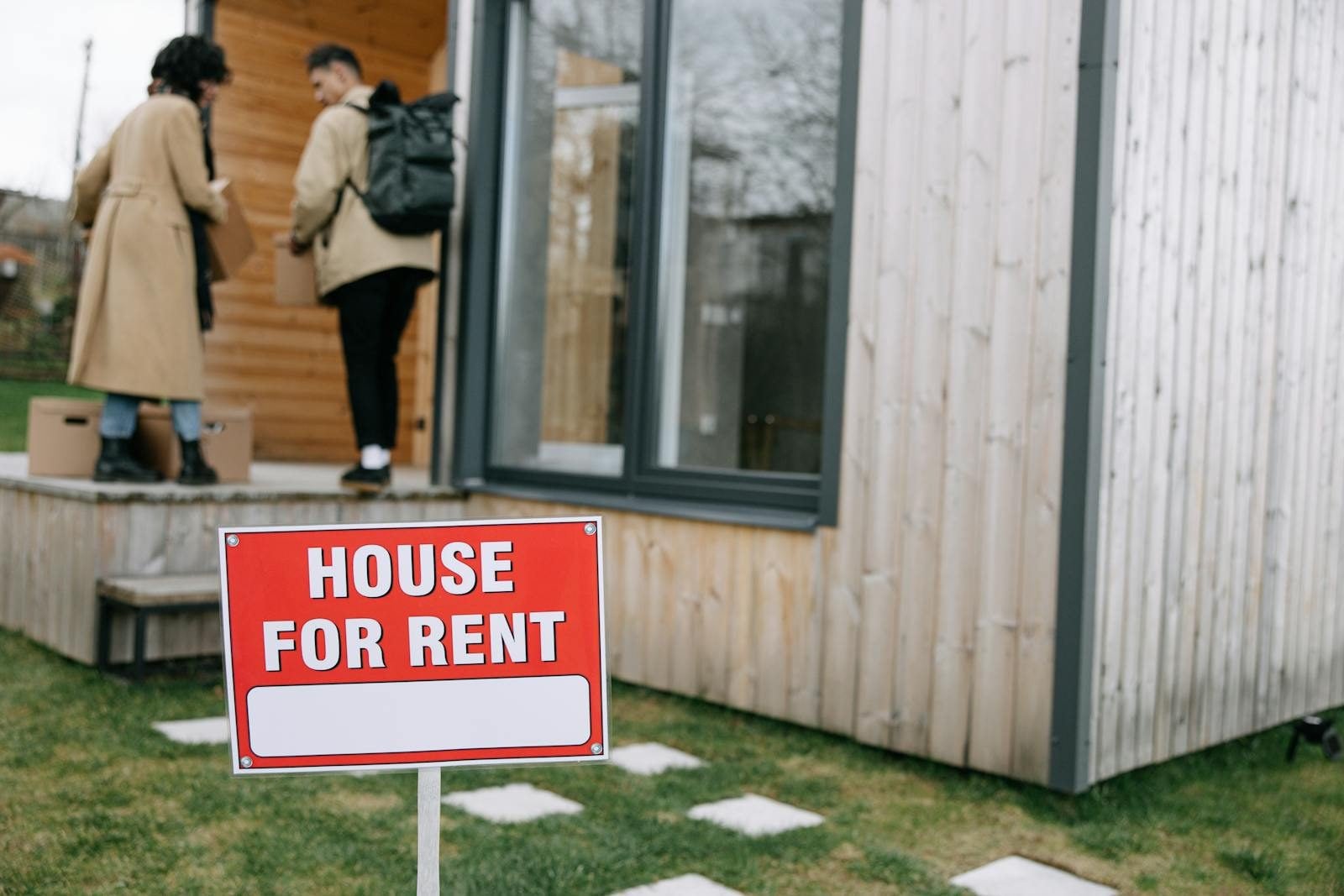
The rise of short-term rentals in Ireland has significantly altered the property landscape, particularly in urban areas like Dublin, Galway, and Cork. Platforms like Airbnb have made it easier for homeowners to monetize their properties, attracting both tourists and investors. This phenomenon not only boosts tourism but also influences local rental markets, making it a critical topic for homeowners, renters, and investors alike.
As tourism continues to thrive, the demand for short-term rentals has surged, reshaping how we view residential properties and their availability. Understanding this market shift is essential for anyone involved in Irish real estate.
The Rise of Short-Term Rentals in Ireland
In recent years, the growth of short-term rental platforms, especially Airbnb, has been remarkable in Irish cities. The convenience of booking accommodations through a few clicks has made short-term rentals popular among tourists seeking unique experiences. Cities like Dublin and Galway have seen a significant increase in listings, changing the dynamics of local rental markets.
The impact of tourism is profound, as short-term rentals cater to visitors while often competing with long-term rental options. This dual demand can lead to increased prices and reduced availability for residents, prompting discussions about sustainability and regulatory measures.
Short-Term Rentals in Dublin: A Case Study
Dublin serves as a prime example of the effects of short-term rentals. The city’s Airbnb market has expanded rapidly, with popular areas like Dublin 2 and Dublin 8 witnessing a high concentration of listings. These districts attract tourists due to their proximity to cultural landmarks and vibrant nightlife, making them lucrative for short-term rental hosts.
However, this popularity has a downside. The growth of short-term rentals has impacted long-term rental availability, pushing prices up and making it challenging for locals to find affordable housing options. As a result, the city faces a balancing act between catering to tourists and preserving the needs of its residents.
The Effect on Local Property Prices
Short-term rentals have a noticeable effect on property prices in key areas across Ireland. In Dublin, the average property price currently stands at €400,000, while Galway and Cork follow with averages of €300,000 and €280,000 respectively. These figures illustrate the increasing pressure on the housing market, driven in part by the allure of short-term rental income.
- Dublin: €400,000 average
- Galway: €300,000 average
- Cork: €280,000 average
Tourist hotspots often see inflated prices compared to residential areas, leading to a disparity that can complicate housing accessibility for locals. This trend raises questions about the long-term implications for the Irish property market.
Local Market Snapshot
Current rental prices in Dublin reflect the growing influence of short-term rentals. The average monthly rent for a 2-bedroom apartment in Dublin city is around €2,200, with a typical time-to-let of approximately 4 weeks. This competitive market highlights the demand for rental properties, exacerbated by the prevalence of short-term listings.
Additionally, the stock levels of short-term rentals remain high, with occupancy rates often fluctuating based on seasonal demand. Investors looking into short-term rental properties may find yield analysis particularly beneficial, as it provides insights into potential returns in this evolving market.
Lifestyle and Amenities Impacted by Short-Term Rentals
The rise of short-term rentals has also impacted local amenities, including cafes, shops, and parks. In areas with high tourist traffic, businesses often cater to transient visitors, which can alter the character of neighborhoods. Some argue that this shift can diminish the sense of community, as locals may feel overshadowed by the influx of tourists.
Furthermore, increased demand for schools in these areas can lead to challenges in accommodating both residents and visitors. Balancing the needs of tourists with those of the local population is essential for maintaining vibrant communities.
Considerations for First-Time Buyers and Investors
For those considering investing in short-term rentals, it’s crucial to weigh the pros and cons. On one hand, the potential for high returns is appealing; on the other hand, investors must navigate a complex regulatory landscape in Dublin. Local authority restrictions and licensing requirements can impact the feasibility of such investments.
Additionally, financial implications such as stamp duty thresholds and Local Property Tax (LPT) considerations should not be overlooked. Understanding these elements can help first-time buyers make informed decisions in a competitive market.
Challenges for Landlords and Estate Agents
Landlords and estate agents face numerous challenges in the short-term rental market, particularly in popular areas like Temple Bar and Ranelagh. The competition is fierce, and seasonal trends can significantly affect rental income. Landlords are tasked with optimizing their properties to attract guests while ensuring compliance with local regulations.
Strategies such as enhancing property appeal through renovations or marketing efforts can help landlords stand out in a crowded market. Adapting to changing demands is essential for sustained success in the short-term rental landscape.
Thinking of selling or letting? List your property on FindQo.ie to reach buyers and renters across Ireland.
Frequently Asked Questions
What are the main benefits of investing in short-term rentals in Ireland?
Investing in short-term rentals in Ireland can yield significant returns due to high tourist demand, particularly in cities like Dublin and Galway. Property owners can benefit from flexible rental periods and the potential for higher nightly rates compared to long-term leases. However, investors should also consider market saturation and regulatory challenges.
How do short-term rentals affect long-term rental availability?
Short-term rentals often reduce the availability of long-term rental properties, as many landlords prefer the higher income potential of short-term lets. This can lead to increased competition for long-term renters, driving up prices and making it more difficult for locals to find affordable housing options.
What are the average returns on investment for short-term rentals?
The average returns on investment for short-term rentals can vary widely based on location and property type. In prime tourist areas, some investors report yields of 10% or higher. However, it’s essential to conduct thorough market research and consider factors like occupancy rates and seasonal demand to gauge potential profitability.
Are there any specific regulations for short-term rentals in Dublin?
Yes, Dublin has specific regulations governing short-term rentals, including licensing requirements and restrictions on the number of nights a property can be rented out annually. Landlords must comply with these regulations to avoid penalties and ensure their properties are legally operated.
How do I find the best areas for short-term rentals in Ireland?
Identifying the best areas for short-term rentals involves researching tourist hotspots, local amenities, and property prices. Websites like FindQo.ie can provide valuable insights and listings tailored to various locations, helping investors make informed decisions.