
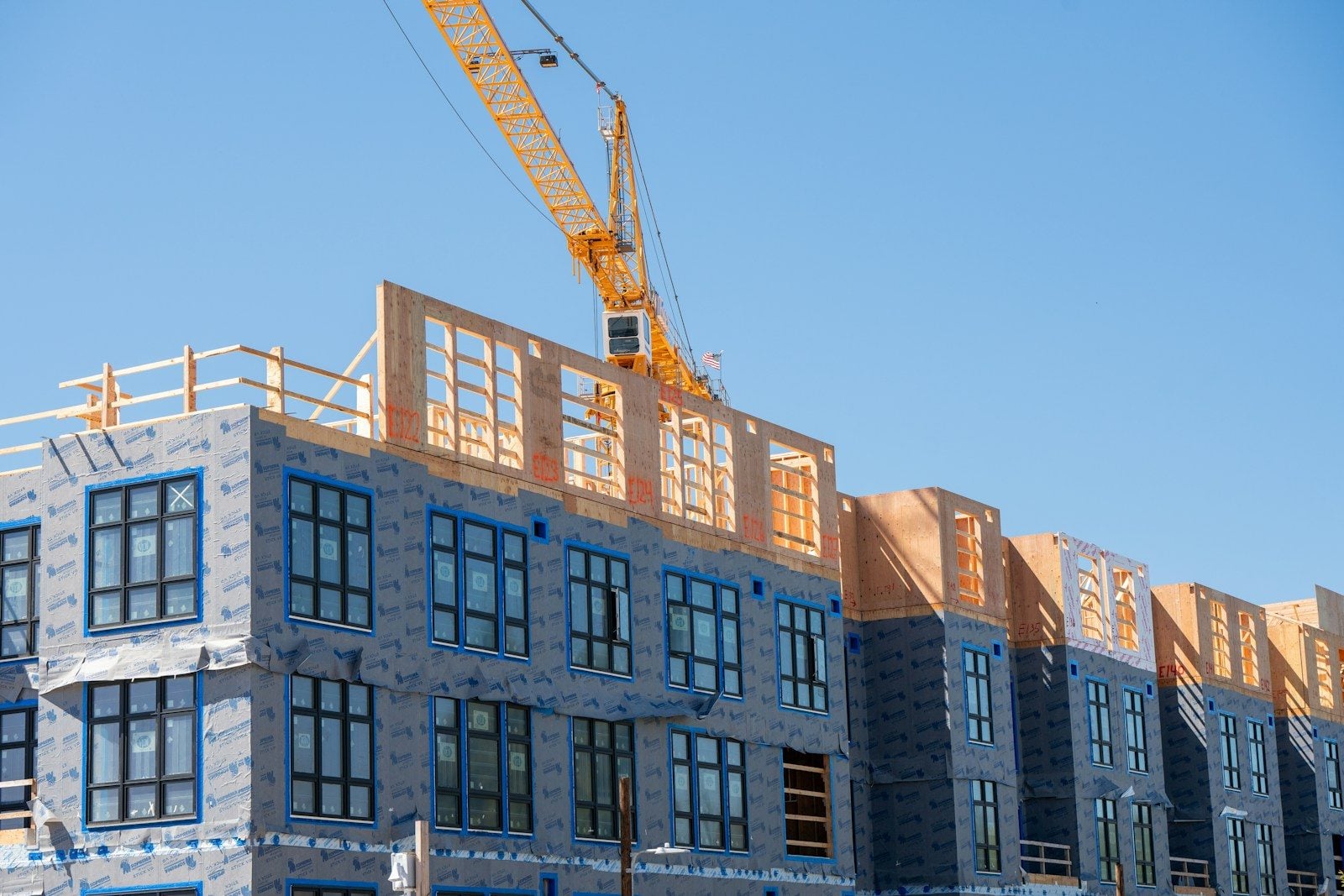
The Irish property market is constantly evolving, with buyers weighing their options between new builds and second-hand homes. While both types of properties have their merits, understanding buyer preferences is crucial for making informed decisions. Factors like location, cost, and energy efficiency play significant roles in shaping these preferences.
This article delves into the current trends in the Irish property market, particularly focusing on the differences between new builds vs second-hand homes, and how these factors influence buyer choices.
Understanding Buyer Preferences In Ireland
In recent years, the Irish property market has shown a marked shift towards new builds, as buyers seek modern amenities and energy efficiency. The significance of new builds vs second-hand homes is evident in buyer decisions, with many considering long-term savings and sustainability. The allure of contemporary living spaces often draws first-time buyers, while others may prefer the character and history of older properties.
Ultimately, the choice between new builds and second-hand homes is influenced by various factors, including lifestyle preferences, financial considerations, and the desire for community facilities.
The Dublin Perspective: New Builds vs Second-Hand Homes
In Dublin, buyer preferences can vary significantly between areas such as Dublin 1 and Dublin 8. Buyers in these districts often prioritize proximity to amenities, schools, and transport links. New builds in the Dublin Docklands are appealing due to their modern features, while second-hand homes in historic areas like Smithfield offer unique charm and character.
Key Factors Influencing Decisions: Proximity to Amenities, Schools, and Transport Links
The impact of transport options like LUAS and DART stations cannot be understated. Areas near these transport links tend to attract more buyers, leading to increased demand for both new builds and second-hand homes. The choice often comes down to lifestyle needs, with some buyers valuing the convenience of modern developments while others appreciate the established character of older neighborhoods.
Cost Considerations: Comparing Prices and Value
Current median prices for new builds and second-hand homes in Dublin and Cork reveal significant differences. For example, the average price per square metre for new builds in Dublin 2 is notably higher than that of second-hand homes in regions like Galway city, reflecting the demand for modern living.
- Median prices: New builds (€450,000) vs second-hand (€350,000) in Dublin
- Average monthly rent for new builds (€2,200) vs second-hand (€1,800)
- Stamp duty thresholds for first-time buyers and implications for new builds
Energy Efficiency and Sustainability
Energy efficiency is a growing concern for many buyers in Ireland. The Building Energy Rating (BER) system helps buyers understand energy performance, with new builds typically achieving higher ratings compared to older second-hand homes. For instance, typical BER ratings for new builds in suburban Dublin often surpass those of older homes in Cork, indicating a trend towards more sustainable living.
Long-Term Savings and Environmental Impact Considerations
With modern heating systems, new builds can offer significant long-term savings on utility bills. This factor is increasingly important for environmentally conscious buyers, who are keen to minimize their carbon footprint while enjoying the benefits of contemporary living.
Lifestyle & Amenities: The Local Ecosystem
Local amenities play a crucial role in influencing buyer decisions. Areas like Rathmines and Ballincollig are known for their vibrant community features, including schools, parks, and cafes. Buyers often weigh these factors heavily when choosing between new developments and established neighborhoods.
The presence of community features such as GAA clubs, universities, and hospitals can further sway buyer preferences, making certain locations more desirable based on lifestyle needs.
Local Market Snapshot: Trends and Insights
Current statistics on property prices, rental yields, and market stock in Dublin and Cork highlight the competitive nature of the market. For instance, the time-to-sell for new builds vs second-hand homes in Dublin neighborhoods varies, with new builds often selling faster due to their appeal.
Additionally, the average rental yield for investors in new developments tends to outperform that of older properties, showcasing the potential for lucrative returns in the evolving market.
First-Time Buyers and Their Preferences
First-time buyers face unique challenges when choosing between new builds and second-hand homes. Many are drawn to new builds for their modern features and energy efficiency, but affordability remains a key concern. Government schemes and incentives aimed at new builds in urban areas are designed to help alleviate some of these challenges, making homeownership more attainable.
Frequently Asked Questions
Thinking of selling or letting? List your property on FindQo.ie to reach buyers and renters across Ireland.
What are the main differences between new builds and second-hand homes in Ireland?
The main differences between new builds and second-hand homes in Ireland include price, energy efficiency, and amenities. New builds often come with modern features and higher energy ratings, while second-hand homes may offer more character and established neighborhoods. Buyers should weigh their priorities when making a decision.
How do energy efficiency ratings compare between new and second-hand properties?
Energy efficiency ratings, measured by the BER system, typically show that new builds achieve higher ratings compared to second-hand homes. This can translate into lower energy costs and a smaller environmental impact, making new builds a more attractive option for energy-conscious buyers.
What are the average costs associated with purchasing new builds in Dublin?
Average costs for purchasing new builds in Dublin can vary significantly, with median prices around €450,000. Buyers should also consider additional costs such as stamp duty and potential renovation expenses, which may be lower for new builds compared to older properties.
Are there any government incentives for first-time buyers of new builds?
Yes, there are government incentives for first-time buyers of new builds, including the Help to Buy scheme which provides financial assistance to eligible buyers. This initiative aims to make homeownership more accessible and encourages investment in new developments.
How does location affect the preference for new builds vs second-hand homes?
Location significantly affects buyer preferences, as areas with good transport links and amenities tend to be more desirable. Buyers may prefer new builds in urban areas for convenience, while those seeking community and character might opt for second-hand homes in established neighborhoods. Exploring options on FindQo.ie can help buyers find a suitable property.