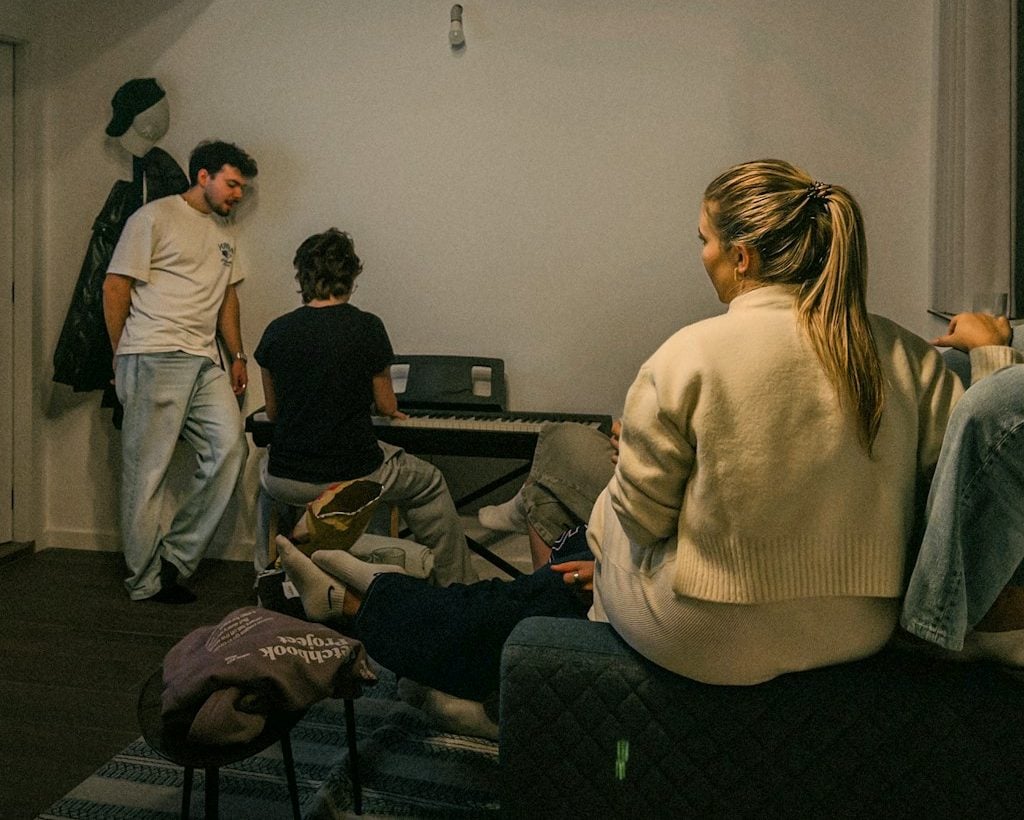
Many young adults in Ireland are still living at home with their parents well into their 30s. What was once seen as a temporary phase has become a long-term reality for a growing share of the population. This shift is not driven by preference, but by structural pressures in Ireland’s housing and cost-of-living landscape.
According to the Central Statistics Office, over 60 percent of adults aged 25 to 34 in Ireland now live with their parents. This figure is one of the highest in the EU and reflects a housing system that increasingly blocks young adults from independence, even when they are in full-time employment.
Housing Costs Rising Faster Than Incomes
One of the primary drivers is the widening gap between incomes and housing costs. While average professional salaries for people in their late 20s and early 30s typically range between €35,000 and €50,000, housing costs have risen far beyond what those wages can reasonably support.
The Residential Tenancies Board reports that average rents in Dublin now exceed €2,200 per month, while Cork averages around €1,500 and Galway approximately €1,400. To comfortably afford rent under standard affordability guidelines, a renter would need to earn well over €70,000 annually in Dublin. For many young adults, that threshold is simply out of reach.
Buying a Home Remains Out of Reach
Homeownership, once the expected next step, has also become increasingly unattainable. CSO data shows that the national average house price now sits above €330,000, with Dublin averages closer to €450,000. Even outside the capital, prices remain high relative to income levels.
A standard mortgage requires a deposit of at least 10 percent, meaning first-time buyers often need savings of €35,000 to €45,000 before fees. Rising rents make saving that deposit extremely difficult, creating a cycle where young adults cannot rent affordably and cannot save to buy.
Supply Shortages and Competition
Housing supply has failed to keep pace with population growth. Ireland’s population has increased by over 500,000 in the past decade, yet new housing completions have lagged behind demand. In many urban and commuter areas, properties are often let within days, sometimes hours, of being advertised.
This level of competition disadvantages young adults without family financial support or long rental histories. Many report being overlooked for housing despite stable incomes, further prolonging their stay in the family home.
The Cost of Leaving Home Has Changed
Beyond rent and mortgages, the broader cost of independence has increased. Energy, transport, childcare, and everyday living expenses have risen sharply. CSO inflation data shows that housing, utilities, and transport costs have grown faster than overall wages since 2020.
For young adults, moving out no longer represents freedom but financial risk. Living at home, while often frustrating, has become the only way to maintain stability and avoid debt.
Social and Economic Consequences
Remaining in the parental home into one’s 30s has wider impacts. Delayed independence affects family formation, career mobility, and mental wellbeing. It also limits labour flexibility, as people are less able to move for work when housing is unaffordable or unavailable.
What was once considered an individual issue has become a systemic one, tied directly to housing supply, affordability, and long-term planning.
Conclusion
Young adults in Ireland are not choosing to stay at home longer. They are being held there by a housing system that no longer aligns with income realities. Until rents stabilise, supply increases, and homeownership becomes achievable again, living at home into one’s 30s will remain the norm rather than the exception.
For those navigating these challenges, understanding local markets and realistic options is essential. Platforms like FindQo.ie help young renters and buyers track affordability, availability, and changing trends across Ireland.
Thinking of selling or letting? List your property on FindQo.ie to reach buyers and renters nationwide.
Frequently Asked Questions
Why are so many young adults living at home in Ireland?
Many young adults are living at home due to skyrocketing property prices and rental costs in urban areas. With average rents exceeding €2,200 in Dublin, many find it financially challenging to move out. The increasing cost of living and high demand for affordable housing options contribute to this trend.
What are the average rental prices in Dublin compared to other cities?
Average rental prices in Dublin are significantly higher than in other cities, with Dublin 1 averaging €2,200 per month compared to Cork’s €1,500. This disparity makes it increasingly difficult for young adults to find affordable housing in the capital compared to other regions.
How can first-time buyers afford homes in expensive areas?
First-time buyers can explore government schemes like the Help to Buy initiative, which assists with deposits. Understanding the current stamp duty threshold of €500,000 and local property tax implications is essential. Resources like FindQo.ie can provide valuable listings and support for first-time buyers.
What amenities should young renters look for in a new area?
Young renters should consider local amenities such as cafes, shops, and recreational spaces. Access to public transport links like the LUAS and DART is also essential, as it provides connectivity to employment hubs and enhances the overall living experience.
Are there any government schemes to assist young adults in buying homes?
Yes, the Help to Buy scheme is designed to assist first-time buyers in Ireland by providing financial support for deposits. Understanding this and other local initiatives can help young adults navigate the challenges of homeownership in the current market.