Commuting costs in Ireland have become a significant concern for many workers. With rising fuel prices, toll charges, and parking fees, the financial impact can reach thousands annually. Understanding these costs is essential for anyone navigating the Irish property market.
As urban areas expand and more people opt for suburban living, the true cost of commuting is often underestimated. This article delves into the various aspects of commuting in Ireland, focusing on Dublin and Cork, and how these expenses influence property decisions.
Understanding Commuting Costs in Ireland
The financial impact of commuting on Irish workers is profound. Rising fuel prices, which have reached approximately €1.60 per litre in 2023, alongside toll charges on major routes, create a significant burden. For instance, daily commuters can spend over €200 monthly just on fuel and tolls, not to mention parking costs that can add another €100 or more.
These expenses can quickly accumulate, leading to a substantial portion of workers’ salaries being allocated to commuting. Many people are beginning to reconsider their living arrangements, as the costs of commuting are influencing their choices regarding where to live and work.
The Commuting Landscape in Dublin
Dublin residents experience a unique commuting landscape, with patterns varying significantly across the city. For example, commuting costs in Dublin 1 can be markedly different from those in Dublin 12, where public transport options may be less accessible.
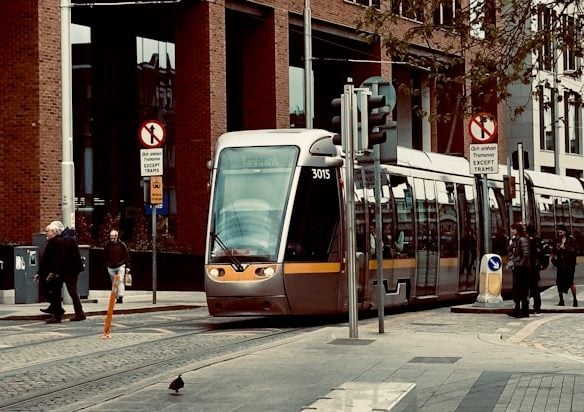
Residents in Dublin 1 often rely on a combination of DART and LUAS services, while those in Dublin 12 might depend more on bus services. Understanding these differences is crucial for anyone looking to move within the city.
Dublin Public Transport Options
Dublin’s public transport system includes the DART, LUAS, and an extensive bus network. The average monthly pass for public transport costs around €130, whereas driving can lead to expenses exceeding €300 when factoring in fuel, tolls, and parking. Public transport is often seen as a more economical choice, especially for those commuting daily.
Commuting from Suburban Areas: A Case Study
Suburbs like Lucan and Swords are popular choices for those working in Dublin. Commuting from Lucan to Dublin City Centre typically involves a combination of driving and public transport, with average fuel costs around €80 monthly and tolls on the M50 adding another €40.
Commuting Costs from Lucan to Dublin City Centre
The time taken for the journey can vary, averaging about 45 minutes. Many find that this time significantly impacts their lifestyle, as longer commutes can reduce leisure time and increase stress levels, making the choice of where to live a crucial one.
The Hidden Costs of Commuting in Cork
In Cork, commuting patterns present their own challenges. The costs of commuting in Cork City are often lower than in Dublin, but they can still add up, particularly for those living in surrounding areas like Ballincollig.
Comparison of Commuting Costs in Cork City vs. Ballincollig
Cork City residents benefit from a more compact layout, which can lead to lower transport costs. However, Ballincollig, while offering lower housing costs, may require longer travel times and higher fuel expenses. Understanding local traffic congestion patterns is essential for prospective buyers and renters.
Local Market Snapshot
Current property prices in Dublin and Cork reflect the commuting landscape. In Dublin, median sale prices for homes near public transport links are around €450,000, while in Cork, properties are more affordable at approximately €300,000.
- Average fuel prices in Ireland as of 2023: €1.60 per litre.
- Typical annual parking costs in major cities: €1,200.
- Recent CSO data shows average commuting times in Dublin are around 50 minutes.
Lifestyle & Amenities Impacting Commuting Decisions
Local amenities play a critical role in commuting choices. Areas with good schools and parks often see higher demand, as families prioritise quality of life alongside commuting costs.
Schools and Green Spaces in Commuter Towns
In towns like Lucan, the availability of reputable schools and green spaces can increase property demand. Families are often willing to pay a premium for access to quality education and recreational areas, making these factors essential to consider when looking at properties.
Considerations for First-Time Buyers and Investors
First-time buyers in Dublin and Cork must consider how commuting costs impact their budgets. Rising expenses can limit purchasing power, making it crucial to factor in these costs when looking at potential properties.
Investment Opportunities in Commuter Areas
Areas with good transport links often offer better rental yields. Emerging neighbourhoods with new developments are attracting investors, as the demand for housing in commuter areas continues to grow, particularly in regions with planned transport upgrades.
The Future of Commuting in Ireland
Upcoming transport projects, such as the MetroLink in Dublin, promise to alter commuting patterns significantly. These developments may lead to increased property values in well-connected areas, providing opportunities for buyers and investors alike.
Conclusion
The hidden costs of commuting in Ireland are a critical consideration for buyers, renters, and investors. Understanding these expenses can help inform better property decisions, and exploring options on FindQo.ie can lead to more suitable commuting choices.
Thinking of selling or letting? List your property on FindQo.ie to reach buyers and renters across Ireland.
Frequently Asked Questions
What are the average commuting costs in Dublin?
The average commuting costs in Dublin can reach over €300 monthly, including fuel, tolls, and parking. Many residents opt for public transport to save on these expenses, with monthly passes costing around €130.
How do commuting costs affect property prices in Ireland?
Commuting costs significantly influence property prices in Ireland. Areas with good transport links often see higher property values due to demand from commuters seeking convenience and affordability.
What are the best suburbs for commuting to Dublin?
Suburbs like Lucan, Swords, and Ranelagh are popular for commuting to Dublin. They offer good transport links and amenities, making them attractive options for buyers and renters alike.
How can I reduce my commuting expenses?
To reduce commuting expenses, consider using public transport instead of driving, carpooling with colleagues, or moving closer to your workplace. Exploring properties near public transport can also help save on costs.
What transport developments are planned for Cork City?
Upcoming transport developments in Cork City include improvements to bus routes and cycling infrastructure. These enhancements aim to ease congestion and promote sustainable commuting options for residents.