
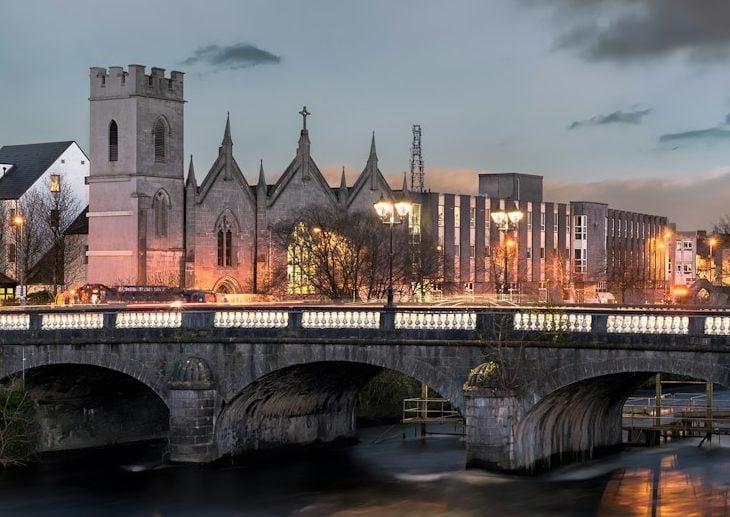
Galway has long been recognised as one of Ireland’s strongest cultural centres, and this identity plays a direct role in shaping its property market. Known for its festivals, universities, and community-led neighbourhoods, Galway attracts buyers and renters who value lifestyle as much as location. Compared with Dublin, the Galway property market continues to offer relative value while maintaining strong demand.
For buyers and investors, understanding how culture and community influence property prices, rental demand, and long-term value is key to navigating the Galway market.
Galway’s Cultural Identity and Housing Demand
Galway’s reputation as a cultural hub is well established. Events such as the Galway International Arts Festival and the Galway Races draw international attention, supporting tourism, employment, and inward migration. This consistent inflow of people contributes to steady housing demand across the city.
Neighbourhoods close to the city centre, such as Claddagh, Woodquay, and Salthill, benefit from this cultural appeal. Properties in these areas typically command higher prices due to walkability, access to amenities, and proximity to cultural venues.
Galway Property Market Snapshot
According to the Property Price Register, the average price of a three-bedroom house in Galway city is approximately €350,000, lower than comparable urban markets such as Dublin and Cork. Suburban areas, including Knocknacarra and Oranmore, offer more affordable options while remaining well connected to the city.
Rental data from the RTB shows the average monthly rent for a two-bedroom apartment in Galway city is around €1,500. Demand remains strong, with properties typically letting within weeks, particularly near employment hubs and universities.
Community-Led Neighbourhoods and Value
Galway’s strong sense of community adds long-term value to its housing stock. Areas with active residents’ associations, local sports clubs, and community services tend to show more stable demand and lower vacancy rates.
GAA clubs, coastal walking routes, and shared public spaces such as Eyre Square and the Salthill Promenade contribute to neighbourhood desirability. These factors are increasingly important for buyers prioritising quality of life alongside affordability.
Education and Employment as Market Drivers
Galway is home to the University of Galway and Atlantic Technological University, supporting a large student and professional population. This drives sustained rental demand in areas such as Newcastle, Dangan, and Ballybane.
The city’s growing medtech and life sciences sector, with employers including Medtronic and Boston Scientific, underpins long-term employment stability. This economic base supports consistent buyer confidence and rental yields across the city.
First-Time Buyers in Galway
For first-time buyers, Galway remains more accessible than larger cities. With average prices below the national urban peak, buyers typically require a 10% deposit, supported by schemes such as Help to Buy for new builds.
Lower entry prices allow buyers to secure homes in established communities without compromising access to culture, education, or employment.
Investor Appeal and Rental Yields
Galway continues to attract investors due to reliable tenant demand and moderate purchase prices. Typical rental yields range between 5% and 6%, particularly in student-focused and commuter-friendly areas.
New residential developments and regeneration projects are increasing supply while maintaining demand, helping to stabilise long-term returns.
Transport, Accessibility, and Connectivity
Galway’s compact layout supports walkability and cycling, while bus routes connect residential areas to the city centre and employment zones. Accessibility remains a key factor in pricing, with well-connected suburbs outperforming less serviced locations.
Planned infrastructure improvements are expected to further support population growth and housing demand over the coming years.
Key Galway Property Metrics
- Average three-bedroom house price: €350,000
- Average two-bedroom monthly rent: €1,500
- Typical BER ratings: C–D
- Average time to sell: under 2 months
- Typical rental yields: 5–6%
Conclusion
Galway’s property market is shaped by more than supply and demand. Its strong cultural identity, active communities, and relative affordability create lasting value for buyers, renters, and investors. As lifestyle-driven purchasing becomes more prominent, Galway’s combination of culture, community, and price stability positions it as one of Ireland’s most balanced property markets.
Thinking of selling or letting? List your property on FindQo.ie to reach buyers and renters across Ireland.
Frequently Asked Questions
What Are The Average Property Prices In Galway?
The average property price in Galway city for a three-bedroom house is approximately €350,000. Prices can vary based on location and property type, so it’s advisable to research specific areas to understand local trends better.
How Is The Rental Market Performing In Galway?
The rental market in Galway is competitive, with average monthly rent for a two-bedroom apartment around €1,500. This reflects strong demand, particularly from students and professionals, making it a vibrant rental market.
What Amenities Are Available For Families In Galway?
Families in Galway can enjoy a range of amenities, including reputable schools, parks, recreational areas, and cultural venues. The city’s community spirit is complemented by various local services that cater to family needs.
What Should First-Time Buyers Consider When Looking For Property In Galway?
First-time buyers should consider average deposit requirements, financing options, and local incentives such as the Help to Buy scheme. Researching the Galway property market will help them make informed decisions.
How Does The Galway Property Market Compare To Other Irish Cities?
The Galway property market offers competitive pricing and strong rental demand compared to other Irish cities. With its unique cultural appeal and community spirit, it attracts buyers and renters looking for a vibrant lifestyle. For more information, visit FindQo.ie.